

2026 Agenda
Opening Remarks
From Startup Nation to AI Nation
What does it actually take to build a Data and AI strategy for an entire nation?
In this keynote, we’ll pull back the curtain on Israel’s AI initiatives and explore the horizon for the data and AI ecosystem.
We’ll examine the real-world challenges of nation-scale data, from infrastructure to regulations, and new opportunities for the data and AI community.
Finally, we’ll look inward at our own industry: as AI reshapes tech, how are the roles of Data Engineers, Scientists, and Analysts evolving, and what skills will define the next generation of data leaders?

Noa Lubin
VP AI Laboratory, National AI Directorate
AI leader, social entrepreneur, lecturer and space enthusiast. I am the VP of the AI Laboratory at the National AI Directorate and I am interested in any do-good AI. I also love public speaking and teaching AI. I previously worked at: NASA, Amazon, Fido, Diagnostic Robotics, Elbit and IAI. I completed a Master's degree in Computer Science at Bar-Ilan University with an NLP thesis and a Bachelor's degree in Electrical Engineering at the Technion.
AI leader, social entrepreneur, lecturer and space enthusiast. I am the VP of the AI Laboratory at the National AI Directorate and I am interested in any do-good AI. I also love public speaking and teaching AI. I previously worked at: NASA, Amazon, Fido, Diagnostic Robotics, Elbit and IAI. I completed a Master's degree in Computer Science at Bar-Ilan University with an NLP thesis and a Bachelor's degree in Electrical Engineering at the Technion.
Noa Lubin
VP AI Laboratory, National AI Directorate
AI leader, social entrepreneur, lecturer and space enthusiast. I am the VP of the AI Laboratory at the National AI Directorate and I am interested in any do-good AI. I also love public speaking and teaching AI. I previously worked at: NASA, Amazon, Fido, Diagnostic Robotics, Elbit and IAI. I completed a Master's degree in Computer Science at Bar-Ilan University with an NLP thesis and a Bachelor's degree in Electrical Engineering at the Technion.
AI leader, social entrepreneur, lecturer and space enthusiast. I am the VP of the AI Laboratory at the National AI Directorate and I am interested in any do-good AI. I also love public speaking and teaching AI. I previously worked at: NASA, Amazon, Fido, Diagnostic Robotics, Elbit and IAI. I completed a Master's degree in Computer Science at Bar-Ilan University with an NLP thesis and a Bachelor's degree in Electrical Engineering at the Technion.
Hello Dad
My father’s memories – and mine – became the memories of an AI companion.
As dementia made everyday connection harder, I built “Hello Dad”: a WhatsApp bot that used family photos, familiar stories, people, places, and small personal details to help bring memories back into conversation.
But the real challenge was not building the bot. It was understanding how to revive a memory in a way that felt useful and enjoyable, which stories were worth bringing up, how to phrase them gently, and how to tell whether the conversation was helping or causing confusion.
In this talk, I’ll share how I turned our shared memories into something the agent could use, what I learned from following the conversations, and how AI helped create a few more moments of recognition and connection with my father.
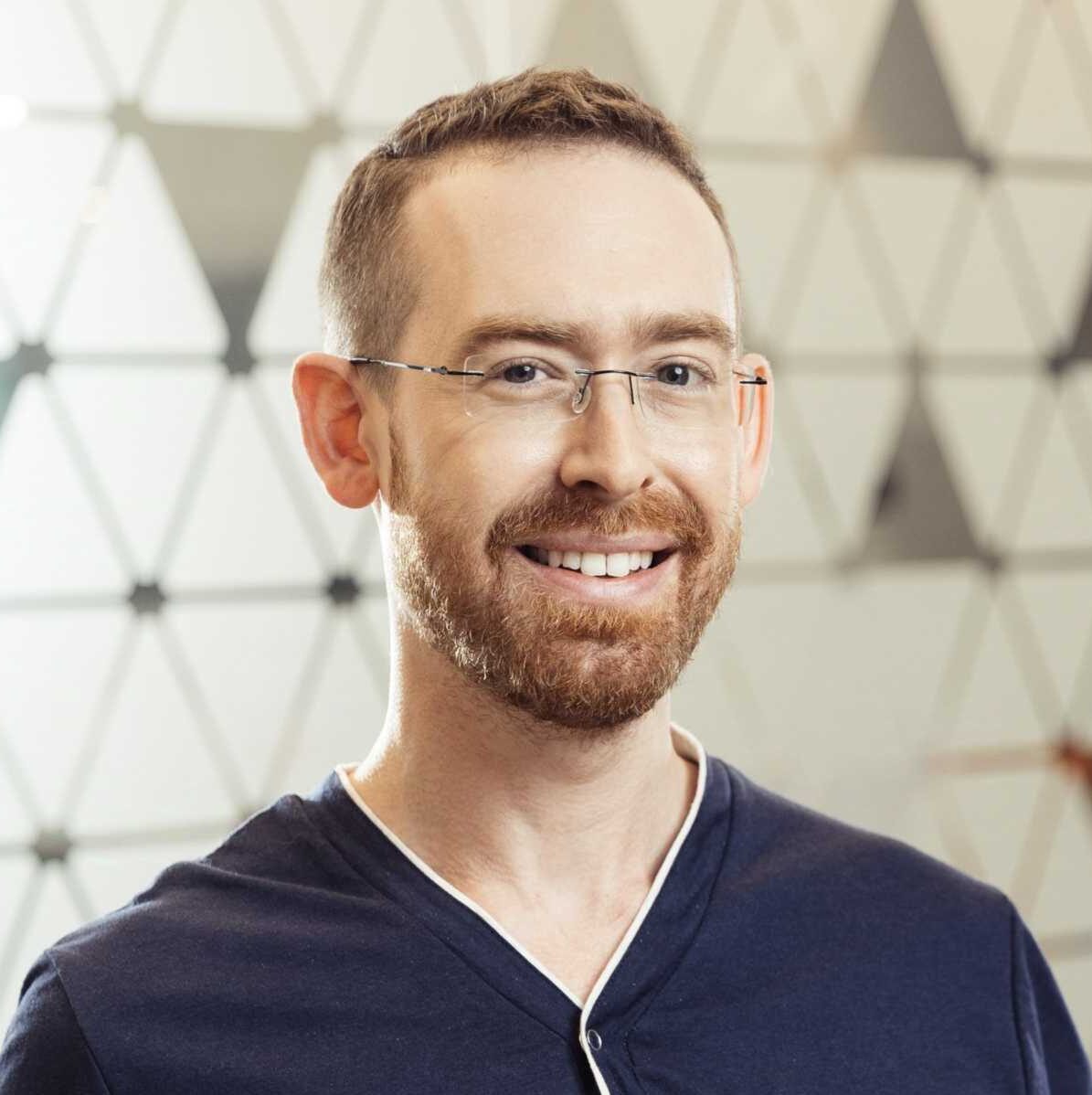
Gil Ben-Ami
Data Scientist, Planck
Gil Ben-Ami is a Data Scientist at Planck, an Applied Systems company, where he has spent the past 7 years - the last 4 in data science - growing from building models to building with agents. He has led data science projects in classification, claims, and claim loss-ratio prediction, and developed predictive models that helped improve insurance risk assessment. These days, Gil is all-in on LLM agents and agentic workflows, exploring what happens when a data scientist trades writing code for orchestrating a fleet of AI agents that can research, experiment, and evaluate on their own.
Gil Ben-Ami is a Data Scientist at Planck, an Applied Systems company, where he has spent the past 7 years - the last 4 in data science - growing from building models to building with agents. He has led data science projects in classification, claims, and claim loss-ratio prediction, and developed predictive models that helped improve insurance risk assessment. These days, Gil is all-in on LLM agents and agentic workflows, exploring what happens when a data scientist trades writing code for orchestrating a fleet of AI agents that can research, experiment, and evaluate on their own.
Gil Ben-Ami
Data Scientist, Planck
Gil Ben-Ami is a Data Scientist at Planck, an Applied Systems company, where he has spent the past 7 years - the last 4 in data science - growing from building models to building with agents. He has led data science projects in classification, claims, and claim loss-ratio prediction, and developed predictive models that helped improve insurance risk assessment. These days, Gil is all-in on LLM agents and agentic workflows, exploring what happens when a data scientist trades writing code for orchestrating a fleet of AI agents that can research, experiment, and evaluate on their own.
Gil Ben-Ami is a Data Scientist at Planck, an Applied Systems company, where he has spent the past 7 years - the last 4 in data science - growing from building models to building with agents. He has led data science projects in classification, claims, and claim loss-ratio prediction, and developed predictive models that helped improve insurance risk assessment. These days, Gil is all-in on LLM agents and agentic workflows, exploring what happens when a data scientist trades writing code for orchestrating a fleet of AI agents that can research, experiment, and evaluate on their own.
Agentic Data Retrieval in the Real World: Lessons from Building a Medical Chart Agent
Data retrieval is already one of the most valuable capabilities that agentic systems bring to enterprises. Healthcare is no exception — efficient search of clinical data is a central challenge of healthcare AI, since clinical reasoning depends on accurate retrieval from huge volumes of patient data.
But clinical data is also the kind of data engineers hate: schemaless, deeply temporal, inconsistent, and constantly changing. And that’s even before the accuracy and privacy requirements that healthcare demands. How do you get an agent to retrieve reliably from that?
That was the challenge behind ALICE, a medical chart agent now in daily use by clinicians to answer clinical questions, support diagnostic decisions, and surface risks. In this talk I’ll walk through Alice’s agentic retrieval core, its data architecture, the problems we had to solve, and the design decisions that made efficient retrieval possible in a demanding, real-world medical environment.
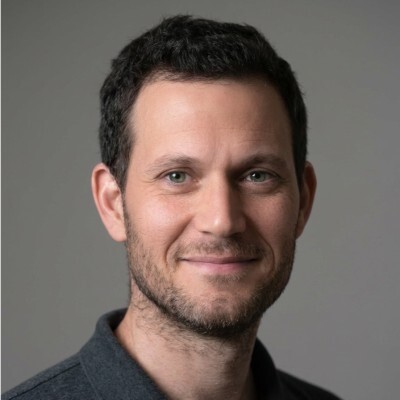
Alon Agmon
R&D Director, Sheba Medical Center
Alon is an R&D director at the AI Center at Sheba Medical Center, where he leads teams building an agentic operating system for healthcare AI and clinical workflows. He spent the last few years in data engineering and AI — and almost two decades handling exceptions. Intrigued by distributed systems, big data, and AI data architecture, and occasionally contributing to open source.
Alon is an R&D director at the AI Center at Sheba Medical Center, where he leads teams building an agentic operating system for healthcare AI and clinical workflows. He spent the last few years in data engineering and AI — and almost two decades handling exceptions. Intrigued by distributed systems, big data, and AI data architecture, and occasionally contributing to open source.
Alon Agmon
R&D Director, Sheba Medical Center
Alon is an R&D director at the AI Center at Sheba Medical Center, where he leads teams building an agentic operating system for healthcare AI and clinical workflows. He spent the last few years in data engineering and AI — and almost two decades handling exceptions. Intrigued by distributed systems, big data, and AI data architecture, and occasionally contributing to open source.
Alon is an R&D director at the AI Center at Sheba Medical Center, where he leads teams building an agentic operating system for healthcare AI and clinical workflows. He spent the last few years in data engineering and AI — and almost two decades handling exceptions. Intrigued by distributed systems, big data, and AI data architecture, and occasionally contributing to open source.
Leaving Batch Behind: Stream-Time Rule Processing Without Linear Cost
Security detections are only as useful as their freshness. For years, many detection pipelines treated rules as SQL queries over historical data: powerful, flexible, and easy to reason about, but fundamentally batch-oriented, creating a delay between suspicious activity and actionable signal.
At Cato, we moved this workload into real-time stream processing. The challenge was evaluating thousands of detection rules continuously without adding proportional overhead to every event. Instead of asking “does this rule match this event?” 500 times, the engine asks “which rules match the values already present in this event?”. As a result we just run one query instead of 500.
We will cover moving from batch SQL scans over S3 to streaming rule evaluation, preserving throughput stable as rule count grows. We will also share benchmark results comparing this approach to traditional rule libraries and show what it takes to make real-time detection practical at production scale.

Noa Baron
Data Engineering Team Lead, Cato Networks
Over the past 5 years she has been working with data and helping data teams to successfully handle the growing amount of data collected from the Cato Cloud. Her work focuses on building the new Cato Data Platform, to ensure it supports the organization growing demand for data in scale and use cases with efficient and cost-effective solutions, all while keeping up with Cato’s growth and achieving outstanding performance.
Over the past 5 years she has been working with data and helping data teams to successfully handle the growing amount of data collected from the Cato Cloud. Her work focuses on building the new Cato Data Platform, to ensure it supports the organization growing demand for data in scale and use cases with efficient and cost-effective solutions, all while keeping up with Cato’s growth and achieving outstanding performance.
Noa Baron
Data Engineering Team Lead, Cato Networks
Over the past 5 years she has been working with data and helping data teams to successfully handle the growing amount of data collected from the Cato Cloud. Her work focuses on building the new Cato Data Platform, to ensure it supports the organization growing demand for data in scale and use cases with efficient and cost-effective solutions, all while keeping up with Cato’s growth and achieving outstanding performance.
Over the past 5 years she has been working with data and helping data teams to successfully handle the growing amount of data collected from the Cato Cloud. Her work focuses on building the new Cato Data Platform, to ensure it supports the organization growing demand for data in scale and use cases with efficient and cost-effective solutions, all while keeping up with Cato’s growth and achieving outstanding performance.
When Your Streaming Pipeline Can Think: AI Agents Inside Apache Flink
Everyone’s building AI agents. Almost nobody’s running them on live data. The typical architecture is a complex and fragile distributed system that must maintain consistency between all its pieces – Kafka consumer, LangChain, vector DB, scheduler, retry logic. Every part is a consistency gap.
What if the agent WAS the stream processor? No Kafka-to-LangChain-to-VectorDB plumbing. No retry logic. No consistency gaps between detection and action. State, checkpoints, exactly-once tool execution – all inherited, not bolted on.
This talk covers the patterns: hybrid rules + LLM reasoning, durable execution that survives crashes, and per-entity memory across events. All live, using Apache Flink Agents – a new open-source framework, which is part of the apache flink ecosystem – with demos spanning detection, investigation, and autonomous action.
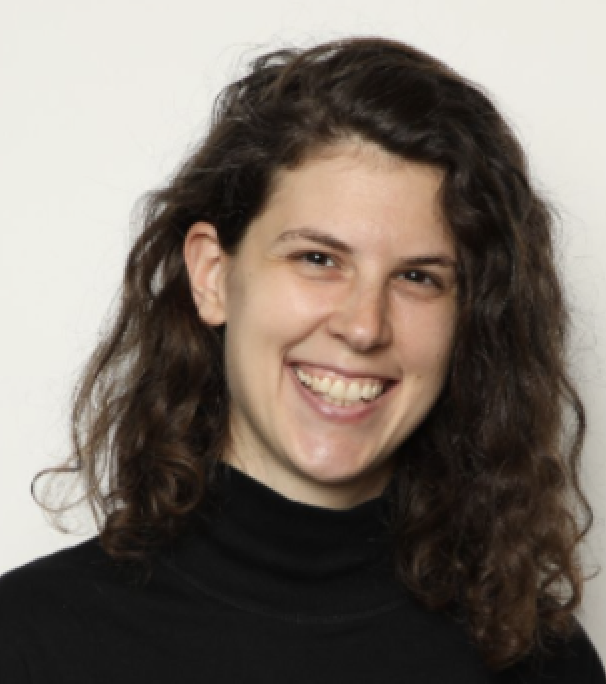
Liat Iusim
Solutions Architect, AWS
Liat Iusim is a Solutions Architect at AWS, specializing in streaming and real-time analytics. With a background as a Tech Lead and Data Engineer, Liat brings hands-on experience in designing and building highly scalable, distributed data systems. She is passionate about helping organizations harness the power of real-time data, leveraging technologies such as Apache Kafka, Apache Flink, and OpenSearch to solve complex data challenges at scale.
Liat Iusim is a Solutions Architect at AWS, specializing in streaming and real-time analytics. With a background as a Tech Lead and Data Engineer, Liat brings hands-on experience in designing and building highly scalable, distributed data systems. She is passionate about helping organizations harness the power of real-time data, leveraging technologies such as Apache Kafka, Apache Flink, and OpenSearch to solve complex data challenges at scale.
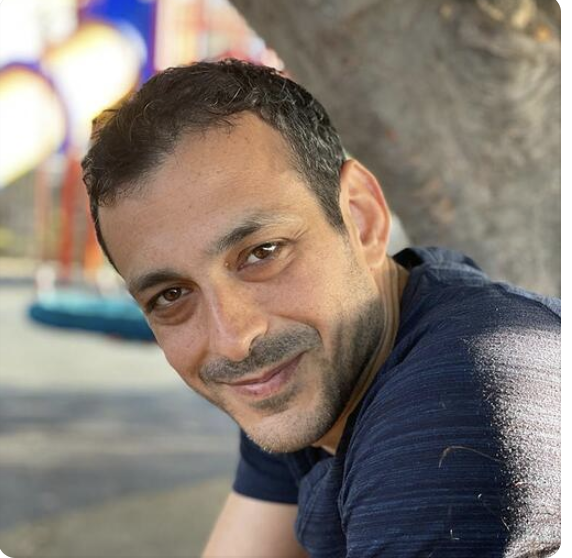
Avichay Marciano
Senior Solutions Architect, AWS
Senior Analytics Specialist Solutions Architect at AWS, focused on streaming, batch processing, and database workloads, with 13 years of hands-on experience designing and building distributed data systems. Contributor to various OSS projects, including Apache Flink Agents.
Senior Analytics Specialist Solutions Architect at AWS, focused on streaming, batch processing, and database workloads, with 13 years of hands-on experience designing and building distributed data systems. Contributor to various OSS projects, including Apache Flink Agents.
Liat Iusim
Solutions Architect, AWS
Liat Iusim is a Solutions Architect at AWS, specializing in streaming and real-time analytics. With a background as a Tech Lead and Data Engineer, Liat brings hands-on experience in designing and building highly scalable, distributed data systems. She is passionate about helping organizations harness the power of real-time data, leveraging technologies such as Apache Kafka, Apache Flink, and OpenSearch to solve complex data challenges at scale.
Liat Iusim is a Solutions Architect at AWS, specializing in streaming and real-time analytics. With a background as a Tech Lead and Data Engineer, Liat brings hands-on experience in designing and building highly scalable, distributed data systems. She is passionate about helping organizations harness the power of real-time data, leveraging technologies such as Apache Kafka, Apache Flink, and OpenSearch to solve complex data challenges at scale.
Avichay Marciano
Senior Solutions Architect, AWS
Senior Analytics Specialist Solutions Architect at AWS, focused on streaming, batch processing, and database workloads, with 13 years of hands-on experience designing and building distributed data systems. Contributor to various OSS projects, including Apache Flink Agents.
Senior Analytics Specialist Solutions Architect at AWS, focused on streaming, batch processing, and database workloads, with 13 years of hands-on experience designing and building distributed data systems. Contributor to various OSS projects, including Apache Flink Agents.
Works on My Prompt: What a Data Scientist Wishes Engineers Knew About LLMs in Production
Production LLM systems fail politely. Every call returns 200, every JSON parses, and the
wrong answer sails straight through.
Engineering instincts were trained on deterministic code: a passing test means it works,
a green dashboard means it’s healthy, a retry means a second chance. Put an LLM, or a
fleet of agents, in the loop and none of that holds. Part of your system is now
stochastic, and it fails in ways your stack was never built to notice.
This is a 101 for engineers who aren’t data scientists: which habits break, and what
replaces them. Contracts that pin data better, acceptance by statistics, not a
single green run, and alerts that fire on significance.
You’ll leave knowing how to better reason about the part of your system that depends on the prompt, the temperature, and apparently the phase of the moon.

Itay Vegh
Senior Data Scientist, Planck
Itay Vegh is a Senior Data Scientist at Planck (now part of Applied Systems), where he designs and deploys GenAI-powered solutions that reshape commercial-insurance underwriting worldwide. His data journey began in the Israel Defense Forces’ elite Unit 8200, then advanced through roles as a Senior Quantitative Researcher at WorldQuant and a founding data scientist at Loops. Itay holds a B.Sc. in Physics and Computer Science (with distinction) from Tel Aviv University and is passionate about translating cutting-edge research into business impact.
Itay Vegh is a Senior Data Scientist at Planck (now part of Applied Systems), where he designs and deploys GenAI-powered solutions that reshape commercial-insurance underwriting worldwide. His data journey began in the Israel Defense Forces’ elite Unit 8200, then advanced through roles as a Senior Quantitative Researcher at WorldQuant and a founding data scientist at Loops. Itay holds a B.Sc. in Physics and Computer Science (with distinction) from Tel Aviv University and is passionate about translating cutting-edge research into business impact.
Itay Vegh
Senior Data Scientist, Planck
Itay Vegh is a Senior Data Scientist at Planck (now part of Applied Systems), where he designs and deploys GenAI-powered solutions that reshape commercial-insurance underwriting worldwide. His data journey began in the Israel Defense Forces’ elite Unit 8200, then advanced through roles as a Senior Quantitative Researcher at WorldQuant and a founding data scientist at Loops. Itay holds a B.Sc. in Physics and Computer Science (with distinction) from Tel Aviv University and is passionate about translating cutting-edge research into business impact.
Itay Vegh is a Senior Data Scientist at Planck (now part of Applied Systems), where he designs and deploys GenAI-powered solutions that reshape commercial-insurance underwriting worldwide. His data journey began in the Israel Defense Forces’ elite Unit 8200, then advanced through roles as a Senior Quantitative Researcher at WorldQuant and a founding data scientist at Loops. Itay holds a B.Sc. in Physics and Computer Science (with distinction) from Tel Aviv University and is passionate about translating cutting-edge research into business impact.
Synthetic Data: How Something Fake Prepares for Anything Real
This talk is about engineering synthetic data to hit all three: realistic, complex, and diverse. I’ll walk through grounding it in real distributions, deliberately injecting the mess and edge cases real systems produce, and expanding coverage into the long tail on purpose instead of by accident. Then the loop that makes it compound: as new failures surface in production, they feed back into your synthetic scenarios — so your agent keeps getting tested against a harder, broader world and keeps getting better over time.
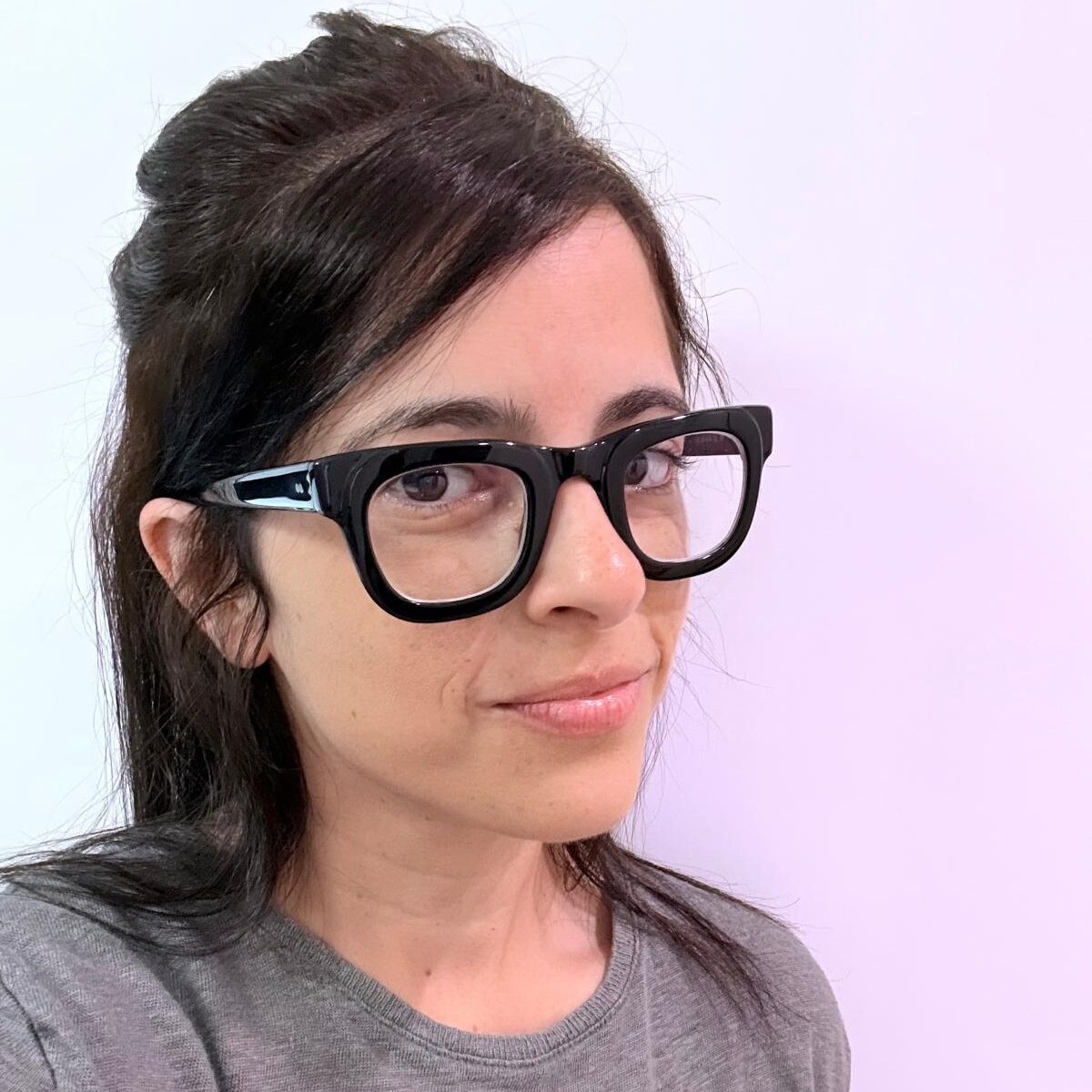
Reut Vilek
VP R&D and Product, Plurai
I lead R&D and Product at Plurai, where we build infrastructure for agent simulation, evaluation and optimization. Before that I was CTO at Rupert, building predictive signals and agentic workflows, and led engineering and product at Nexar, where we built a digital twin of the world powered by computer vision. Throughout, I've lived in the overlap between AI, engineering, and product — the one translating between what's technically possible, what's buildable, and what people actually need. What drives me is simplifying the complex: taming hard technical problems on one side, and making things genuinely clear for people on the other.
I lead R&D and Product at Plurai, where we build infrastructure for agent simulation, evaluation and optimization. Before that I was CTO at Rupert, building predictive signals and agentic workflows, and led engineering and product at Nexar, where we built a digital twin of the world powered by computer vision. Throughout, I've lived in the overlap between AI, engineering, and product — the one translating between what's technically possible, what's buildable, and what people actually need. What drives me is simplifying the complex: taming hard technical problems on one side, and making things genuinely clear for people on the other.
Reut Vilek
VP R&D and Product, Plurai
I lead R&D and Product at Plurai, where we build infrastructure for agent simulation, evaluation and optimization. Before that I was CTO at Rupert, building predictive signals and agentic workflows, and led engineering and product at Nexar, where we built a digital twin of the world powered by computer vision. Throughout, I've lived in the overlap between AI, engineering, and product — the one translating between what's technically possible, what's buildable, and what people actually need. What drives me is simplifying the complex: taming hard technical problems on one side, and making things genuinely clear for people on the other.
I lead R&D and Product at Plurai, where we build infrastructure for agent simulation, evaluation and optimization. Before that I was CTO at Rupert, building predictive signals and agentic workflows, and led engineering and product at Nexar, where we built a digital twin of the world powered by computer vision. Throughout, I've lived in the overlap between AI, engineering, and product — the one translating between what's technically possible, what's buildable, and what people actually need. What drives me is simplifying the complex: taming hard technical problems on one side, and making things genuinely clear for people on the other.
You Don't Need to Read Every Paper
A new model drops every week. A new agent framework claims to change everything every day. A new term is trending on Twitter and you’re not sure what it is. If you’ve ever closed fifty “must-read” AI tabs without reading one, you know the feeling. FOMO.
Five years inside an AI research lab building foundation models, teaching, speaking, and staying elbow-deep in the ecosystem the whole time, taught me the FOMO doesn’t go away with seniority. It goes away when you stop optimizing for coverage. One rule, five minutes: the filter I use to decide what’s actually worth my attention this week, and permission to ignore the rest.
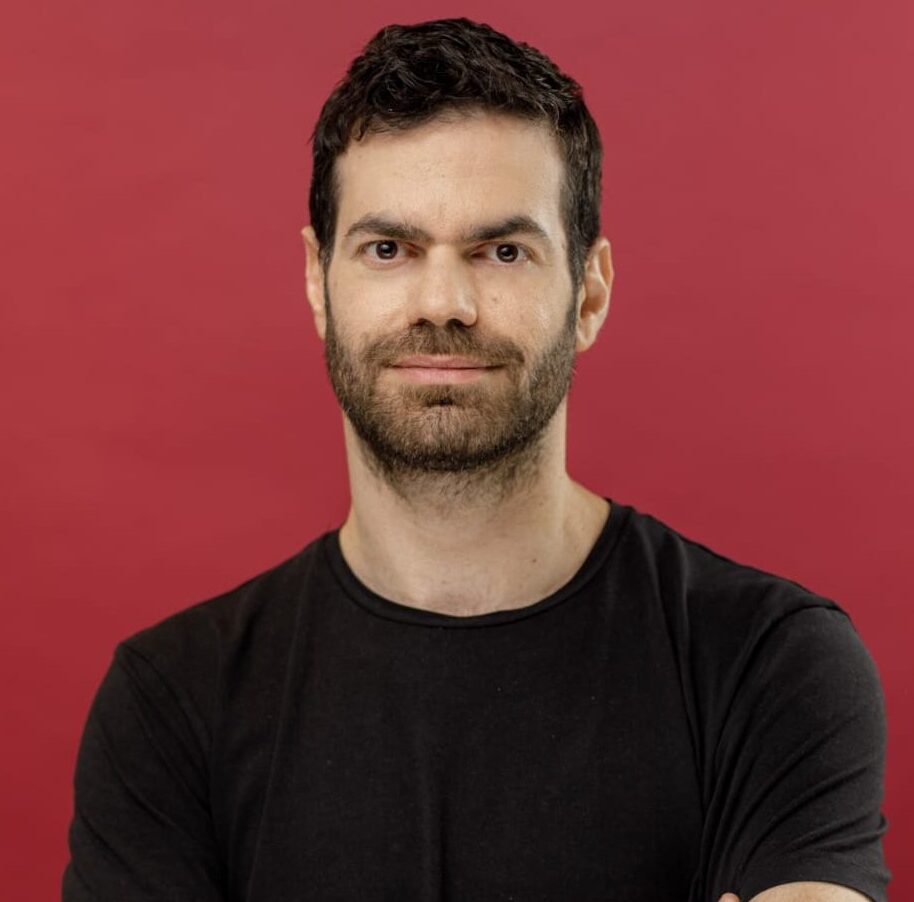
Yuval Belfer
Sr. AI Developer Advocate, AI21 Labs
Yuval is a Senior Developer Advocate at AI21 Labs, where he helps engineers go from "it works in the demo" to "it works in production." He hosts the YAAP podcast (Yet Another AI Podcast) and teaches applied GenAI on various programs. His work spans RAG, fine-tuning, agents, and evaluation (or Yuval-uation, if you're nasty).
Yuval is a Senior Developer Advocate at AI21 Labs, where he helps engineers go from "it works in the demo" to "it works in production." He hosts the YAAP podcast (Yet Another AI Podcast) and teaches applied GenAI on various programs. His work spans RAG, fine-tuning, agents, and evaluation (or Yuval-uation, if you're nasty).
Yuval Belfer
Sr. AI Developer Advocate, AI21 Labs
Yuval is a Senior Developer Advocate at AI21 Labs, where he helps engineers go from "it works in the demo" to "it works in production." He hosts the YAAP podcast (Yet Another AI Podcast) and teaches applied GenAI on various programs. His work spans RAG, fine-tuning, agents, and evaluation (or Yuval-uation, if you're nasty).
Yuval is a Senior Developer Advocate at AI21 Labs, where he helps engineers go from "it works in the demo" to "it works in production." He hosts the YAAP podcast (Yet Another AI Podcast) and teaches applied GenAI on various programs. His work spans RAG, fine-tuning, agents, and evaluation (or Yuval-uation, if you're nasty).
The Pink Elephant in the Prompt: How Language Shapes LLM Behavior
When integrating LLMs into data pipelines and analytics products, we often make one critical mistake: we talk to the model like it is a human colleague. We use vague instructions, rely on negative constraints, and assume the model understands our context. But LLMs do not read between the lines; they are mathematical prediction engines where the exact phrasing we choose literally dictates the probability distribution of their output.
In this 5-minute lightning talk, we will explore the tangible impact of language mechanics on LLM performance. We will dive into five highly actionable, structural language tweaks that data practitioners can use to drastically improve LLM reliability in production.
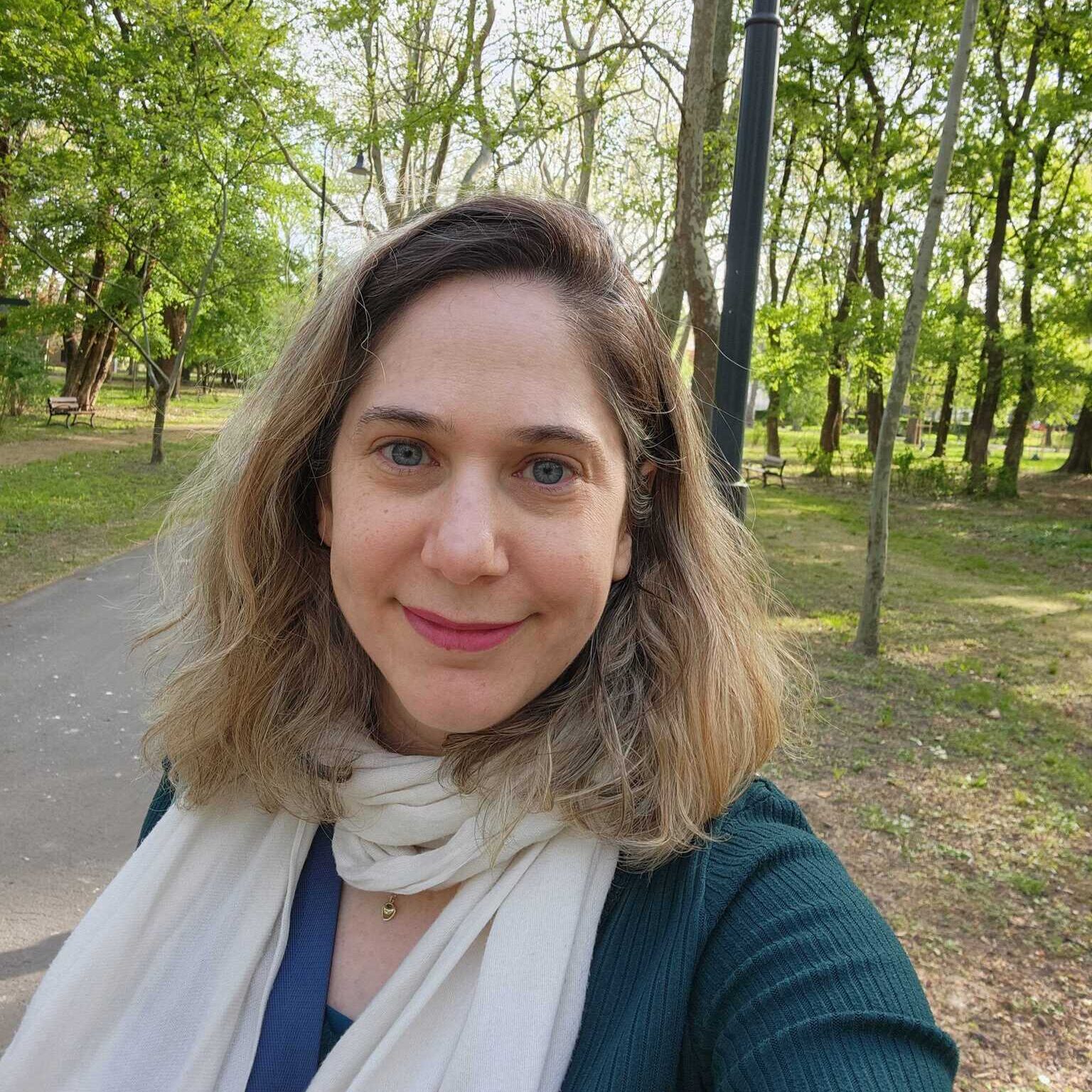
Ronnie Weinbach
Founding Data Analyst, Modus
I am the Founding Data Analyst at Modus, where I focus on solving the "context problem" for AI data agents. I've been a Data Analyst for the past 10 years, and I love turning messy data into insights and products. I'm passionate about mentoring and improving both human and AI analysts. Outside of data, I'm a passionate Chief Chocolate, Cake, & Cookies Officer (CCCCO) and will gladly talk your ear off with the ultimate travel tips for Paris and Bologna.
I am the Founding Data Analyst at Modus, where I focus on solving the "context problem" for AI data agents. I've been a Data Analyst for the past 10 years, and I love turning messy data into insights and products. I'm passionate about mentoring and improving both human and AI analysts. Outside of data, I'm a passionate Chief Chocolate, Cake, & Cookies Officer (CCCCO) and will gladly talk your ear off with the ultimate travel tips for Paris and Bologna.
Ronnie Weinbach
Founding Data Analyst, Modus
I am the Founding Data Analyst at Modus, where I focus on solving the "context problem" for AI data agents. I've been a Data Analyst for the past 10 years, and I love turning messy data into insights and products. I'm passionate about mentoring and improving both human and AI analysts. Outside of data, I'm a passionate Chief Chocolate, Cake, & Cookies Officer (CCCCO) and will gladly talk your ear off with the ultimate travel tips for Paris and Bologna.
I am the Founding Data Analyst at Modus, where I focus on solving the "context problem" for AI data agents. I've been a Data Analyst for the past 10 years, and I love turning messy data into insights and products. I'm passionate about mentoring and improving both human and AI analysts. Outside of data, I'm a passionate Chief Chocolate, Cake, & Cookies Officer (CCCCO) and will gladly talk your ear off with the ultimate travel tips for Paris and Bologna.
How Do I Win the "Gambling"... Uhhh, Oops, I Mean the Guessing Game of the FIFA World Cup?
Every major football tournament comes with the same office tradition: the prediction pool. Overnight, everyone becomes a football expert. Why bother following the sport all year when you can ask an LLM to predict every match five minutes before the deadline? What could possibly go wrong?
“What’s offside?” you ask. Great question! I have absolutely no idea. So I did what any reasonable engineer would do: I asked an LLM to help me predict every match. The result was obvious: I absolutely dominated… the bottom of the leaderboard.
Then I realized I was asking the wrong questions. I stopped treating the LLM like an oracle and started treating it like a researcher.
And the results were…. Marvelous!
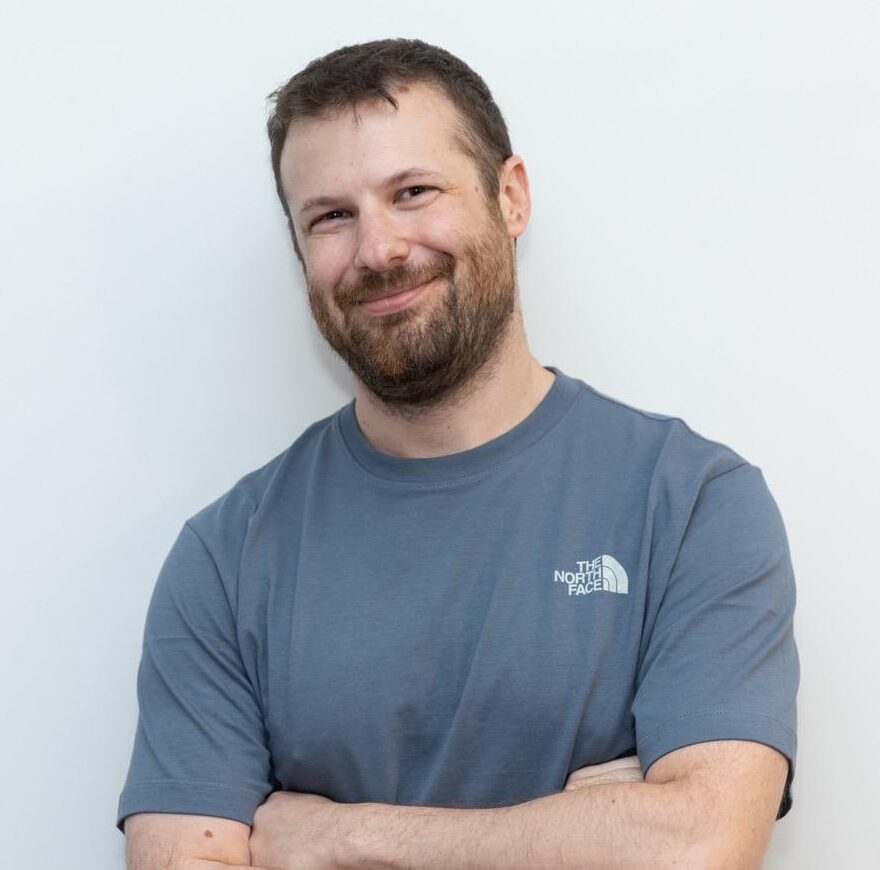
Maor Grushko
AI Backend Tech Lead, FINQ
As AI Backend Tech Lead at FINQ, I focus on turning AI ideas into reliable production systems, from training pipelines to scalable backend infrastructure. I enjoy solving practical engineering challenges, optimizing algorithms, sharing knowledge through technical lectures and TechGym, and helping teams build better AI products.
As AI Backend Tech Lead at FINQ, I focus on turning AI ideas into reliable production systems, from training pipelines to scalable backend infrastructure. I enjoy solving practical engineering challenges, optimizing algorithms, sharing knowledge through technical lectures and TechGym, and helping teams build better AI products.
Maor Grushko
AI Backend Tech Lead, FINQ
As AI Backend Tech Lead at FINQ, I focus on turning AI ideas into reliable production systems, from training pipelines to scalable backend infrastructure. I enjoy solving practical engineering challenges, optimizing algorithms, sharing knowledge through technical lectures and TechGym, and helping teams build better AI products.
As AI Backend Tech Lead at FINQ, I focus on turning AI ideas into reliable production systems, from training pipelines to scalable backend infrastructure. I enjoy solving practical engineering challenges, optimizing algorithms, sharing knowledge through technical lectures and TechGym, and helping teams build better AI products.
From Prompt to Prod: A Multi-Agent Architecture for Self-Healing Data Pipelines
This talk presents a multi-agent system that detects, diagnoses, and self healing data incidents and the architecture choices that made it trustworthy in production. The core principle: deterministic orchestration on the outside, LLM reasoning on the inside. Agents reason over lineage and metadata graphs instead of guessing, propose fixes inside an isolated sandbox, and are gated by validation contracts set up front, so a “fixer” can’t heal a pipeline by deleting the failing test. Every production-impacting action stays human-approved and reversible.
The verdicts are grounded in live data, not just metadata: agents run checks inside the client’s secured sandbox, querying the warehouse and calling source product database data with production credentials, to compare against ground truth. Credentials and data never leave the client boundary. I’ll cover the detect → diagnose →heal topology, where to draw the autonomy line, the failure modes we hit, and a customer incident resolved e2e.

Liad Hazoot
Founder Engineering Team Lead, Matia
I’m Liad Hazoot, a former professional national track & field jumper and a team tead at Matia, with 10 years of experience in software and data engineering. I specialize in building DataOps platforms and production-grade data infrastructure, enabling reliable, high-scale ETL and reverse ETL workflows across modern data warehouses. I spend most of my time tackling the unglamorous but critical challenge of making data pipelines trustworthy, scalable, and resilient in production environments.
I’m Liad Hazoot, a former professional national track & field jumper and a team tead at Matia, with 10 years of experience in software and data engineering. I specialize in building DataOps platforms and production-grade data infrastructure, enabling reliable, high-scale ETL and reverse ETL workflows across modern data warehouses. I spend most of my time tackling the unglamorous but critical challenge of making data pipelines trustworthy, scalable, and resilient in production environments.
Liad Hazoot
Founder Engineering Team Lead, Matia
I’m Liad Hazoot, a former professional national track & field jumper and a team tead at Matia, with 10 years of experience in software and data engineering. I specialize in building DataOps platforms and production-grade data infrastructure, enabling reliable, high-scale ETL and reverse ETL workflows across modern data warehouses. I spend most of my time tackling the unglamorous but critical challenge of making data pipelines trustworthy, scalable, and resilient in production environments.
I’m Liad Hazoot, a former professional national track & field jumper and a team tead at Matia, with 10 years of experience in software and data engineering. I specialize in building DataOps platforms and production-grade data infrastructure, enabling reliable, high-scale ETL and reverse ETL workflows across modern data warehouses. I spend most of my time tackling the unglamorous but critical challenge of making data pipelines trustworthy, scalable, and resilient in production environments.
Cold Storage That Feels Like an Online Database at 200ms
Getting online-database feel from cold S3 storage — sounds too good to be true. It isn’t.
Cold data doesn’t need to live in expensive online databases. But keeping it accessible within an online latency budget after moving it to a data lake? Harder than expected.
This is the story of removing abstractions one by one — the SQL engine, the query planner, the file reader, the network layer — until what remained was fast enough and cheap enough. Each layer we stripped revealed how data lake formats actually work, and unlocked another 300ms of latency at a fraction of the cost.
You’ll leave with a clear mental model of what’s inside a data lake file format, where managed solutions hit their limits, and a practical approach for the next latency problem that off-the-shelf tooling can’t solve.

Dotan Mor
Staff Data Platform Engineer, Riskified
Staff Data Engineer at Riskified with two decades of experience in data engineering and architecture. Specializes in scaling robust big data systems and helping teams adopt modern data methodologies to solve complex technical challenges.
Staff Data Engineer at Riskified with two decades of experience in data engineering and architecture. Specializes in scaling robust big data systems and helping teams adopt modern data methodologies to solve complex technical challenges.
Dotan Mor
Staff Data Platform Engineer, Riskified
Staff Data Engineer at Riskified with two decades of experience in data engineering and architecture. Specializes in scaling robust big data systems and helping teams adopt modern data methodologies to solve complex technical challenges.
Staff Data Engineer at Riskified with two decades of experience in data engineering and architecture. Specializes in scaling robust big data systems and helping teams adopt modern data methodologies to solve complex technical challenges.
Breaking the Bottlenecks of External Memory Sorting
Sorting is an integral part of a data engineer’s pipeline, yet it is often overlooked. In this talk we will take a look at a production bottleneck: a multi-PiB workload that required us to scale more sorters than writers. We will take a deep dive into adapting classic External Merge Sort to our use case. By using a multi-layered optimization approach we will fit the algorithm to our compute resources by leveraging the CPU cache and multiple cores, and to our data by exploiting the non-uniform distribution.
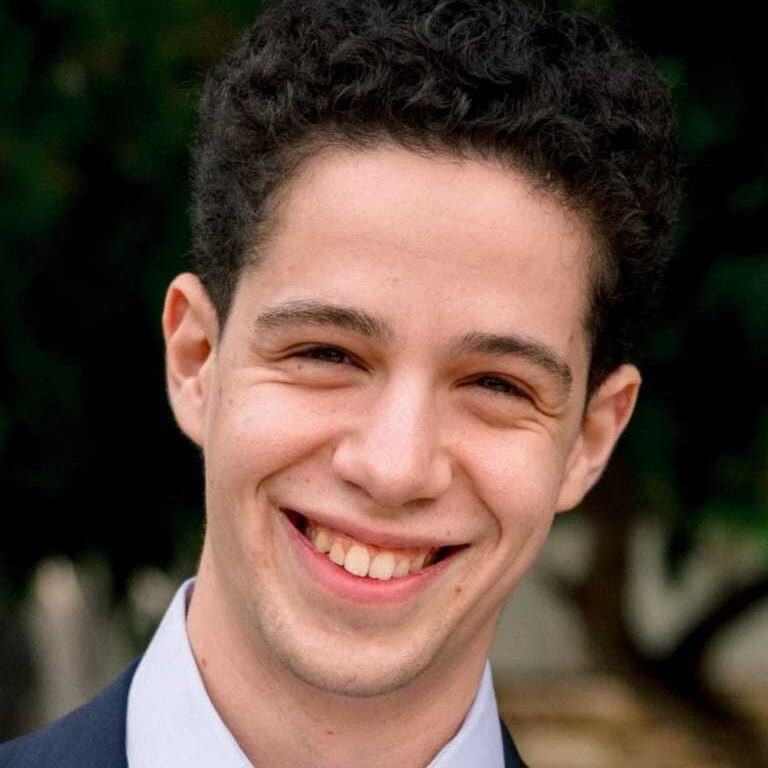
Shahar Yarnitzky
Software Engineer, EON
Software engineer with background in HPC, algorithms, and backend development. My day-to-day involves lowering costs for pipelines and conveying those improvements to customers. Currently handling data engineering at EON with an emphasis on optimization.
Software engineer with background in HPC, algorithms, and backend development. My day-to-day involves lowering costs for pipelines and conveying those improvements to customers. Currently handling data engineering at EON with an emphasis on optimization.
Shahar Yarnitzky
Software Engineer, EON
Software engineer with background in HPC, algorithms, and backend development. My day-to-day involves lowering costs for pipelines and conveying those improvements to customers. Currently handling data engineering at EON with an emphasis on optimization.
Software engineer with background in HPC, algorithms, and backend development. My day-to-day involves lowering costs for pipelines and conveying those improvements to customers. Currently handling data engineering at EON with an emphasis on optimization.
Store Your AI Agent's Memory and Context in a Knowledge Graph
Most AI agents today suffer from digital amnesia: they forget conversations, lose context between sessions, and treat every interaction as if meeting you for the first time. We explore how knowledge graphs can serve as persistent, temporally-aware memory systems for AI agents, moving beyond static vector embeddings to dynamic, relationship-rich storage that evolves with each interaction. This content piece covers practical implementation patterns for building graph-based agent memory, comparing direct database integration with tool-based approaches through popular frameworks. You’ll learn how to extract entities from conversations, model temporal relationships, and implement cross-session continuity that makes agents truly conversational partners rather than stateless responders.
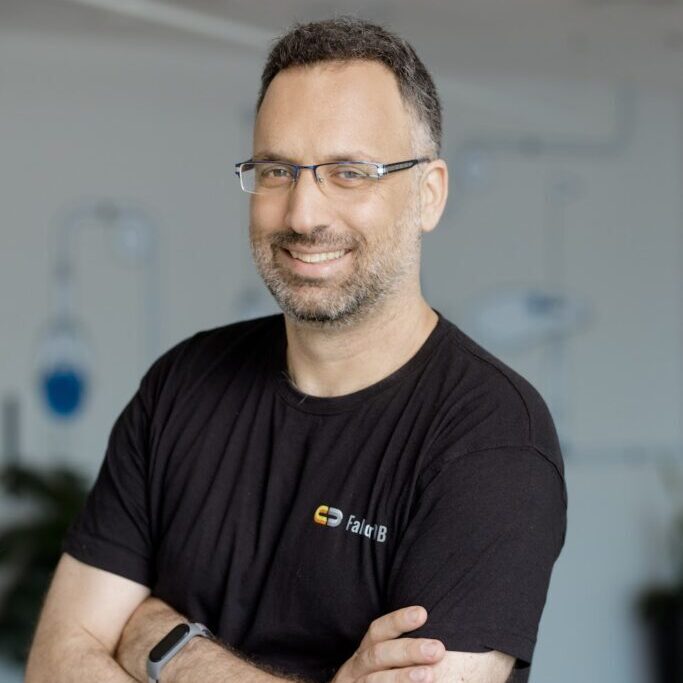
Guy Korland, PhD
CEO & Co-Founder, FalkorDB
Guy Korland, PhD in Computer Science from TAU (Tel Aviv University), is the CEO and Co-founder of FalkorDB, where he builds a powerful Graph Database to power Generative AI applications. With a career spanning more than 20 years of experience in the database and software engineering industry, including a previous role as SVP, CTO of Incubation at Redis, Guy’s well-rounded profile brings a balance of R&D, business, and user experience to tech conferences. He aims to make the crowd think beyond the fluff by discussing the good, the bad, and the ugly of the industry.
Guy Korland, PhD in Computer Science from TAU (Tel Aviv University), is the CEO and Co-founder of FalkorDB, where he builds a powerful Graph Database to power Generative AI applications. With a career spanning more than 20 years of experience in the database and software engineering industry, including a previous role as SVP, CTO of Incubation at Redis, Guy’s well-rounded profile brings a balance of R&D, business, and user experience to tech conferences. He aims to make the crowd think beyond the fluff by discussing the good, the bad, and the ugly of the industry.
Guy Korland, PhD
CEO & Co-Founder, FalkorDB
Guy Korland, PhD in Computer Science from TAU (Tel Aviv University), is the CEO and Co-founder of FalkorDB, where he builds a powerful Graph Database to power Generative AI applications. With a career spanning more than 20 years of experience in the database and software engineering industry, including a previous role as SVP, CTO of Incubation at Redis, Guy’s well-rounded profile brings a balance of R&D, business, and user experience to tech conferences. He aims to make the crowd think beyond the fluff by discussing the good, the bad, and the ugly of the industry.
Guy Korland, PhD in Computer Science from TAU (Tel Aviv University), is the CEO and Co-founder of FalkorDB, where he builds a powerful Graph Database to power Generative AI applications. With a career spanning more than 20 years of experience in the database and software engineering industry, including a previous role as SVP, CTO of Incubation at Redis, Guy’s well-rounded profile brings a balance of R&D, business, and user experience to tech conferences. He aims to make the crowd think beyond the fluff by discussing the good, the bad, and the ugly of the industry.
When Streaming Titans Collide: Spark 4.0™ and Apache Flink in the Age of Real-Time AI
For years, the line was clear: Apache Flink owned ultra-low-latency, event-driven processing while Apache Spark dominated high-throughput streaming. Spark 4.0 redraws this line. Real-Time Mode brings continuous low-latency processing to Structured Streaming, and the new transformWithState API delivers the flexible state management that event-driven systems demand.
In this session, we will dive into a technical discussion of both Spark and Apache Flink, exploring Spark’s transformWithState and RTM alongside Flink’s mature event-time engine.
As the two engines converge, we’ll examine what still sets them apart under the hood, in execution pipelines, in state backends, and in architectural philosophy, and, just as importantly, where those differences no longer matter in practice.
Whether you’re optimizing a pipeline, upgrading to Spark 4.0, or architecting a greenfield platform to serve AI agents, you’ll leave with clear criteria for choosing the right engine.

Sofie Zilberman
Solutions Architect, Databricks
I design and optimize real-time data pipelines using Apache Flink, Kafka and Apache Iceberg, building fast, reliable, and scalable systems for streaming and streaming analytics. With experience in both streaming and batch processing, I focus on making data workflows efficient, observable, and high-performing. I enjoy solving complex challenges in large-scale data processing, always looking for ways to push the boundaries of performance and reliability. Passionate about Data Lakehouse technologies, I enjoy sharing knowledge through talks, hands-on sessions, and discussions on streaming architectures and real-time analytics frameworks.
I design and optimize real-time data pipelines using Apache Flink, Kafka and Apache Iceberg, building fast, reliable, and scalable systems for streaming and streaming analytics. With experience in both streaming and batch processing, I focus on making data workflows efficient, observable, and high-performing. I enjoy solving complex challenges in large-scale data processing, always looking for ways to push the boundaries of performance and reliability. Passionate about Data Lakehouse technologies, I enjoy sharing knowledge through talks, hands-on sessions, and discussions on streaming architectures and real-time analytics frameworks.
Sofie Zilberman
Solutions Architect, Databricks
I design and optimize real-time data pipelines using Apache Flink, Kafka and Apache Iceberg, building fast, reliable, and scalable systems for streaming and streaming analytics. With experience in both streaming and batch processing, I focus on making data workflows efficient, observable, and high-performing. I enjoy solving complex challenges in large-scale data processing, always looking for ways to push the boundaries of performance and reliability. Passionate about Data Lakehouse technologies, I enjoy sharing knowledge through talks, hands-on sessions, and discussions on streaming architectures and real-time analytics frameworks.
I design and optimize real-time data pipelines using Apache Flink, Kafka and Apache Iceberg, building fast, reliable, and scalable systems for streaming and streaming analytics. With experience in both streaming and batch processing, I focus on making data workflows efficient, observable, and high-performing. I enjoy solving complex challenges in large-scale data processing, always looking for ways to push the boundaries of performance and reliability. Passionate about Data Lakehouse technologies, I enjoy sharing knowledge through talks, hands-on sessions, and discussions on streaming architectures and real-time analytics frameworks.
Iceberg Won the Lakehouse. AI Changed the Question. Now What?
Apache Iceberg won the open table format war, then AI changed what we want from our storage. Vector search, embeddings, and random-access training pipelines fight the scan-oriented architecture Iceberg was built on. This talk examines where Iceberg structurally struggles, benchmarks it against LanceDB on AI-shaped workloads, and maps the emerging landscape: AI-native formats, hybrid architectures, and vector-capable query engines. So if you thought the format wars were over, think again – the AI round is just getting started.

Yonatan Dolan
Solutions Architect, ClickHouse
Formerly led AWS Big Data & Analytics business development in Israel. Today, I work hands-on with customers to design scalable, high-performance analytics architectures and turn complex data requirements into production-ready solutions.
Formerly led AWS Big Data & Analytics business development in Israel. Today, I work hands-on with customers to design scalable, high-performance analytics architectures and turn complex data requirements into production-ready solutions.
Yonatan Dolan
Solutions Architect, ClickHouse
Formerly led AWS Big Data & Analytics business development in Israel. Today, I work hands-on with customers to design scalable, high-performance analytics architectures and turn complex data requirements into production-ready solutions.
Formerly led AWS Big Data & Analytics business development in Israel. Today, I work hands-on with customers to design scalable, high-performance analytics architectures and turn complex data requirements into production-ready solutions.
Metadata Meets AI
AI agents are transforming how we work with data, but they still struggle when they lack context about which tables to use, what the data means, and how it is commonly queried. At Wix, a project that started as cataloging our trusted gold-layer tables became a production metadata ecosystem that supports data discovery, BI tools, and now AI agents.
In this session, we’ll share how we automated metadata creation with AI: creating table and column descriptions for about 900 gold-layer tables, building glossary definitions and mappings that improved agent results by 40%, and creating sample queries based on common usage patterns. We’ll show how this context helps agents break down business questions, find the right tables, and move from question to usable query faster, with practical lessons for teams that want to make their own data catalogs AI-ready without endless manual documentation.

Eden Fattal
Data Engineering Team Lead, Wix
Eden is a Data Engineering Team Leader with over a decade of experience across the data industry, from hands-on analytics to data engineering leadership. Today, she leads a team in Wix’s Core Data Engineering Guild, working on data warehouse foundations, governance, and internal tooling that help data engineers build trusted data assets.
Eden is a Data Engineering Team Leader with over a decade of experience across the data industry, from hands-on analytics to data engineering leadership. Today, she leads a team in Wix’s Core Data Engineering Guild, working on data warehouse foundations, governance, and internal tooling that help data engineers build trusted data assets.
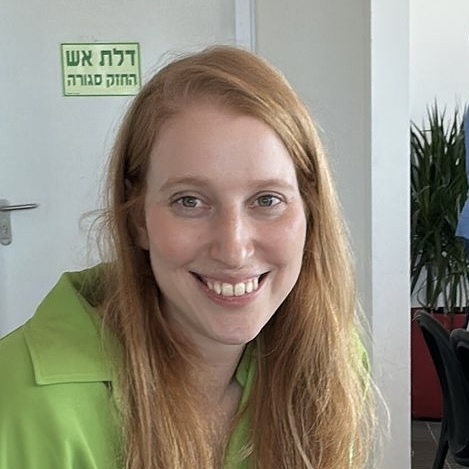
Sapir Hirshberg
Senior Data Product Manager, Wix
Sapir is a Data Product Manager at Wix, responsible for data management and governance across the company’s data platform. She works on the products and workflows that help teams find trusted data, understand how it connects, investigate issues, and keep the warehouse healthy as it scales increasingly through AI agents and skill-based tooling. She’s focused on turning complex platform capabilities into practical, self-serve experiences that save time and keep work accurate.
Sapir is a Data Product Manager at Wix, responsible for data management and governance across the company’s data platform. She works on the products and workflows that help teams find trusted data, understand how it connects, investigate issues, and keep the warehouse healthy as it scales increasingly through AI agents and skill-based tooling. She’s focused on turning complex platform capabilities into practical, self-serve experiences that save time and keep work accurate.
Eden Fattal
Data Engineering Team Lead, Wix
Eden is a Data Engineering Team Leader with over a decade of experience across the data industry, from hands-on analytics to data engineering leadership. Today, she leads a team in Wix’s Core Data Engineering Guild, working on data warehouse foundations, governance, and internal tooling that help data engineers build trusted data assets.
Eden is a Data Engineering Team Leader with over a decade of experience across the data industry, from hands-on analytics to data engineering leadership. Today, she leads a team in Wix’s Core Data Engineering Guild, working on data warehouse foundations, governance, and internal tooling that help data engineers build trusted data assets.
Sapir Hirshberg
Senior Data Product Manager, Wix
Sapir is a Data Product Manager at Wix, responsible for data management and governance across the company’s data platform. She works on the products and workflows that help teams find trusted data, understand how it connects, investigate issues, and keep the warehouse healthy as it scales increasingly through AI agents and skill-based tooling. She’s focused on turning complex platform capabilities into practical, self-serve experiences that save time and keep work accurate.
Sapir is a Data Product Manager at Wix, responsible for data management and governance across the company’s data platform. She works on the products and workflows that help teams find trusted data, understand how it connects, investigate issues, and keep the warehouse healthy as it scales increasingly through AI agents and skill-based tooling. She’s focused on turning complex platform capabilities into practical, self-serve experiences that save time and keep work accurate.
Fully Agentic, Autonomous ML: From Data to Production
Manufacturing produces torrents of high-dimensional test data, but the engineers who understand it aren’t ML specialists — and ML specialists don’t scale to every product line. We built a platform where a graph of specialized AI agents (data preparation, feature engineering, leakage defense, model selection, training, evaluation, and deployment), steered by an LLM supervisor, takes a domain expert from a raw file to a deployed, monitored model without opening a notebook. This deep dive walks the real architecture: composable LangGraph pipelines, an LLM reasoning loop wrapped around classic ML and AutoML (not replacing it), and GPU training on Kubernetes. Just as important, it covers the tradeoffs — where LLM judgment helps versus where deterministic ML must stay in charge — and the honest failure modes of running this on wide, messy, real-world data at scale. The through-line: putting real, production ML in the hands of the people who know the data.
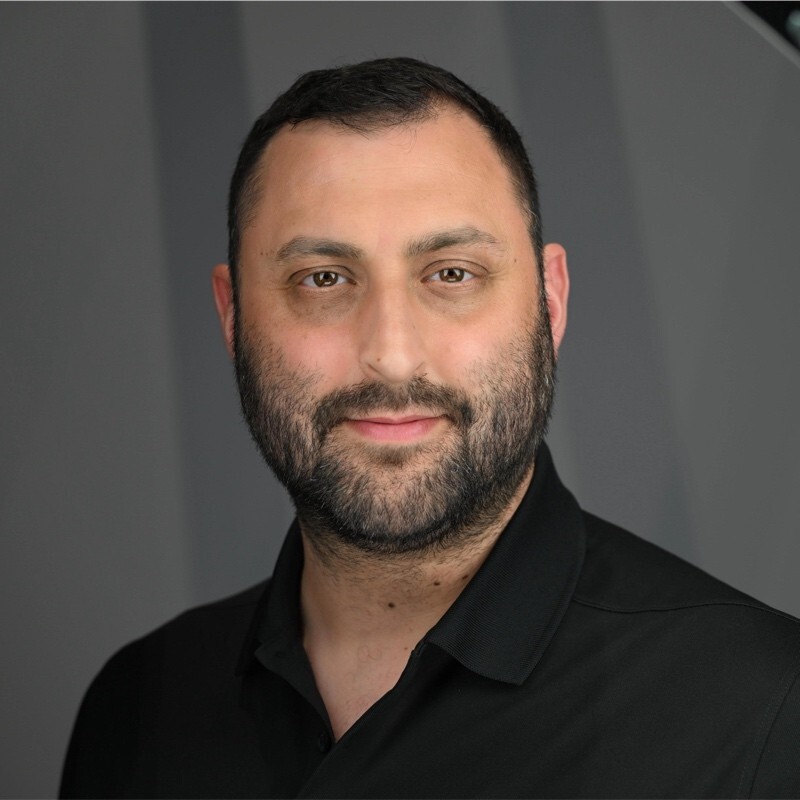
Itamar Frenkel
Data Science Manager, NVIDIA
Itamar Frenkel is a Data Science manager at NVIDIA, based in Yokneam, Israel, driving AI-powered solutions for hardware engineering and manufacturing. With expertise in machine learning and system engineering, he leads a team pushing the boundaries of AI to improve decision-making and production quality. Previously at Mellanox Technologies (acquired by NVIDIA in 2020), Itamar holds 3 U.S. patents and has been recognized with multiple awards, including NTECH 2024 Best Poster and first-place wins at both NVIDIA and Mellanox hackathons. A University of Haifa graduate, he speaks at industry conferences (INCOSE IL 2024, GTC 2024) and is passionate about building innovative teams and advancing AI in enterprise. He actively recruits top talent and contributes to the data science community.
Itamar Frenkel is a Data Science manager at NVIDIA, based in Yokneam, Israel, driving AI-powered solutions for hardware engineering and manufacturing. With expertise in machine learning and system engineering, he leads a team pushing the boundaries of AI to improve decision-making and production quality. Previously at Mellanox Technologies (acquired by NVIDIA in 2020), Itamar holds 3 U.S. patents and has been recognized with multiple awards, including NTECH 2024 Best Poster and first-place wins at both NVIDIA and Mellanox hackathons. A University of Haifa graduate, he speaks at industry conferences (INCOSE IL 2024, GTC 2024) and is passionate about building innovative teams and advancing AI in enterprise. He actively recruits top talent and contributes to the data science community.
Itamar Frenkel
Data Science Manager, NVIDIA
Itamar Frenkel is a Data Science manager at NVIDIA, based in Yokneam, Israel, driving AI-powered solutions for hardware engineering and manufacturing. With expertise in machine learning and system engineering, he leads a team pushing the boundaries of AI to improve decision-making and production quality. Previously at Mellanox Technologies (acquired by NVIDIA in 2020), Itamar holds 3 U.S. patents and has been recognized with multiple awards, including NTECH 2024 Best Poster and first-place wins at both NVIDIA and Mellanox hackathons. A University of Haifa graduate, he speaks at industry conferences (INCOSE IL 2024, GTC 2024) and is passionate about building innovative teams and advancing AI in enterprise. He actively recruits top talent and contributes to the data science community.
Itamar Frenkel is a Data Science manager at NVIDIA, based in Yokneam, Israel, driving AI-powered solutions for hardware engineering and manufacturing. With expertise in machine learning and system engineering, he leads a team pushing the boundaries of AI to improve decision-making and production quality. Previously at Mellanox Technologies (acquired by NVIDIA in 2020), Itamar holds 3 U.S. patents and has been recognized with multiple awards, including NTECH 2024 Best Poster and first-place wins at both NVIDIA and Mellanox hackathons. A University of Haifa graduate, he speaks at industry conferences (INCOSE IL 2024, GTC 2024) and is passionate about building innovative teams and advancing AI in enterprise. He actively recruits top talent and contributes to the data science community.
Fishing the Best SLM Open-Source Models Out of the Sea of Options
When LLMs are not a scalable option anymore, where do we go?
When our production environment started to strain from an expanding customer list, we had to face this hard question.
Our LLM usage limits were maxing out, returning errors to a growing percent of users, our latency was sub-optimal and let’s not even talk about the cost pile-up.
We decided SLMs (Small Language Models) are our running candidate for alleviating all the issues in one go, and that open-source models are the quickest way there.
But now we had to face a new question: Out of the whole ocean of open-source available models, how do we choose the right one?
In this lecture I will break down the method we created to measure models and decide what is the best implementation strategy for our data classification pipeline.
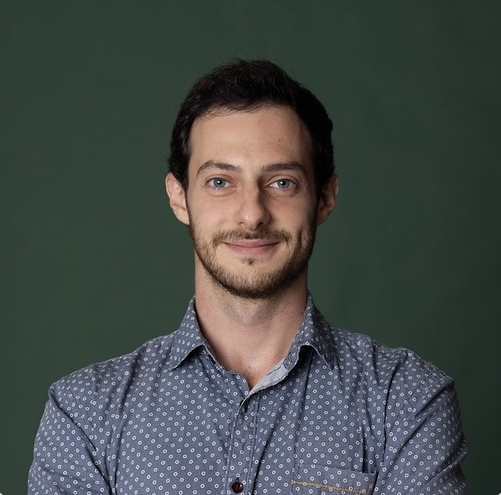
Naveh Talmon Chvaicer
Data Researcher, Island
Naveh Talmon Chvaicer is a Data Researcher at Island, where he delivers data-driven insights and constructs AI solutions for customers and internal teams. Previously a Cyber Security Analyst in the IDF’s Unit 8200, his work involved driving operational advances based on data-backed research, risk assessments and automation of workflows. His current and previous hands-on work with risk scoring, classification models, datasets and self-validating AI pipelines directly inform his talk on the implementation of SLMs in classification tasks.
Naveh Talmon Chvaicer is a Data Researcher at Island, where he delivers data-driven insights and constructs AI solutions for customers and internal teams. Previously a Cyber Security Analyst in the IDF’s Unit 8200, his work involved driving operational advances based on data-backed research, risk assessments and automation of workflows. His current and previous hands-on work with risk scoring, classification models, datasets and self-validating AI pipelines directly inform his talk on the implementation of SLMs in classification tasks.
Naveh Talmon Chvaicer
Data Researcher, Island
Naveh Talmon Chvaicer is a Data Researcher at Island, where he delivers data-driven insights and constructs AI solutions for customers and internal teams. Previously a Cyber Security Analyst in the IDF’s Unit 8200, his work involved driving operational advances based on data-backed research, risk assessments and automation of workflows. His current and previous hands-on work with risk scoring, classification models, datasets and self-validating AI pipelines directly inform his talk on the implementation of SLMs in classification tasks.
Naveh Talmon Chvaicer is a Data Researcher at Island, where he delivers data-driven insights and constructs AI solutions for customers and internal teams. Previously a Cyber Security Analyst in the IDF’s Unit 8200, his work involved driving operational advances based on data-backed research, risk assessments and automation of workflows. His current and previous hands-on work with risk scoring, classification models, datasets and self-validating AI pipelines directly inform his talk on the implementation of SLMs in classification tasks.
How We Stopped Guessing Whether Our AI Features Actually Work
Shipping an AI feature is the easy part. Knowing whether it performs well is a different problem – and most teams are still guessing.
At HoneyBook, we had a growing portfolio of LLM-powered features and no systematic way to evaluate them. A standalone eval platform felt like its own product, and rigorous evaluation demanded a rare mix of data expertise, business context, and metrics knowledge most engineers don’t have.
So we built evaluation into the developer workflow itself. This talk shows how we built an AI-powered eval skill into Claude Code that automates the full pipeline: it reads your service code, generates evaluation criteria, creates test data from production examples and LLM-generated edge cases, runs your service end-to-end, and publishes results to Notion – no extra instrumentation required.
By the end, you’ll know how to stop guessing whether your AI features work by embedding automated evaluation into your workflow.

Noa Radin
Staff Data Scientist, HoneyBook
Noa Radin is a Data Scientist at HoneyBook, where she works on improving user onboarding and product experience. Prior to that, she led a data science team at ThetaRay, designing anomaly detection solutions for global banks and fintechs. Noa holds an M.Sc. in Data Science and Engineering from Ben-Gurion University.
Noa Radin is a Data Scientist at HoneyBook, where she works on improving user onboarding and product experience. Prior to that, she led a data science team at ThetaRay, designing anomaly detection solutions for global banks and fintechs. Noa holds an M.Sc. in Data Science and Engineering from Ben-Gurion University.
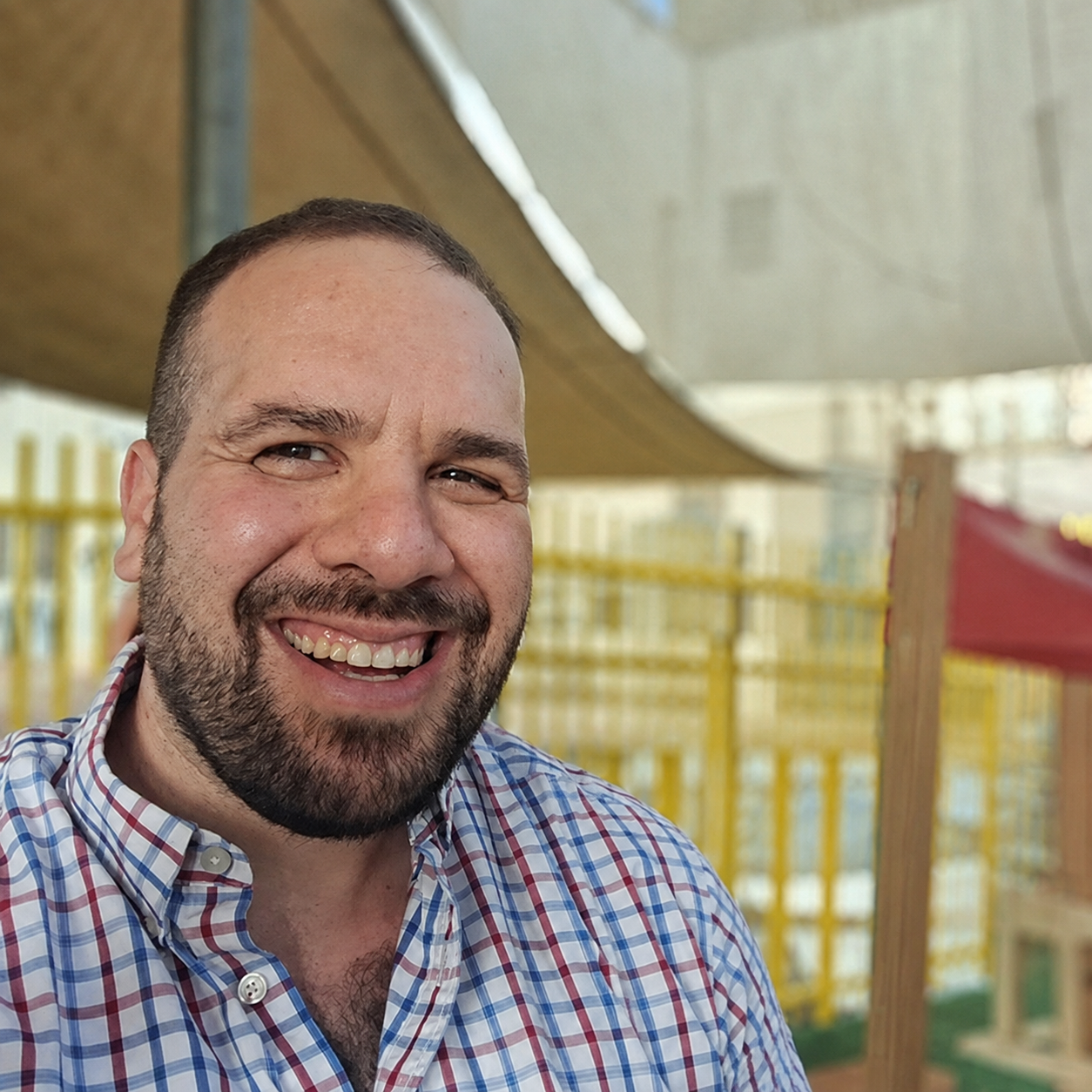
Yonathan Guttel
Staff Data Scientist, HoneyBook
Yonathan Guttel is a Data Scientist at HoneyBook, where he works on churn prediction, revenue projection, and LLM evaluation. Prior to that, he held data science roles at Lightricks, Nutrino (acquired by Medtronic) and Gong.io. Yonathan holds a B.Sc. and M.Sc. in Biology and completed doctoral research in the field.
Yonathan Guttel is a Data Scientist at HoneyBook, where he works on churn prediction, revenue projection, and LLM evaluation. Prior to that, he held data science roles at Lightricks, Nutrino (acquired by Medtronic) and Gong.io. Yonathan holds a B.Sc. and M.Sc. in Biology and completed doctoral research in the field.
Noa Radin
Staff Data Scientist, HoneyBook
Noa Radin is a Data Scientist at HoneyBook, where she works on improving user onboarding and product experience. Prior to that, she led a data science team at ThetaRay, designing anomaly detection solutions for global banks and fintechs. Noa holds an M.Sc. in Data Science and Engineering from Ben-Gurion University.
Noa Radin is a Data Scientist at HoneyBook, where she works on improving user onboarding and product experience. Prior to that, she led a data science team at ThetaRay, designing anomaly detection solutions for global banks and fintechs. Noa holds an M.Sc. in Data Science and Engineering from Ben-Gurion University.
Yonathan Guttel
Staff Data Scientist, HoneyBook
Yonathan Guttel is a Data Scientist at HoneyBook, where he works on churn prediction, revenue projection, and LLM evaluation. Prior to that, he held data science roles at Lightricks, Nutrino (acquired by Medtronic) and Gong.io. Yonathan holds a B.Sc. and M.Sc. in Biology and completed doctoral research in the field.
Yonathan Guttel is a Data Scientist at HoneyBook, where he works on churn prediction, revenue projection, and LLM evaluation. Prior to that, he held data science roles at Lightricks, Nutrino (acquired by Medtronic) and Gong.io. Yonathan holds a B.Sc. and M.Sc. in Biology and completed doctoral research in the field.
All Models Are Wrong, but Who Owns Them Now? The Data Scientist’s Role When Everyone Builds AI
For years, data scientists owned the modeling part of technology work. We were the people brought in when a problem became uncertain, statistical, or messy enough that traditional deterministic engineering patterns no longer applied. But that world is changing fast.
Today, experienced developers and AI engineers can build features that once sat deep inside the data science domain: classification, ranking, retrieval, prediction, evaluation, and agentic workflows.
This talk is about what data scientists bring when everyone around them can now build with AI. We will discuss the shift from sole modeling expert to mentor, evaluator, and quality guardian for AI-enabled systems: helping teams think clearly about uncertainty, understand when an expected outcome might only work sometimes, evaluate it honestly, monitor it in production, and design feedback loops that make it better over time.

Raz Tamir
Senior Data Scientist, monday.com
Raz Tamir is a Senior Data Scientist at monday.com, with previous experience leading data science and AI teams. His work spans the full data science lifecycle: translating business goals into ML, AI, and agentic systems, from research and modeling to deployment, monitoring, and product impact. Raz has built production AI systems across multiple domains, including deep learning for computer vision, time series, agentic workflows, and applied ML. He is passionate about helping teams build AI products with clear evaluation, practical feedback loops, and production-grade discipline
Raz Tamir is a Senior Data Scientist at monday.com, with previous experience leading data science and AI teams. His work spans the full data science lifecycle: translating business goals into ML, AI, and agentic systems, from research and modeling to deployment, monitoring, and product impact. Raz has built production AI systems across multiple domains, including deep learning for computer vision, time series, agentic workflows, and applied ML. He is passionate about helping teams build AI products with clear evaluation, practical feedback loops, and production-grade discipline
Raz Tamir
Senior Data Scientist, monday.com
Raz Tamir is a Senior Data Scientist at monday.com, with previous experience leading data science and AI teams. His work spans the full data science lifecycle: translating business goals into ML, AI, and agentic systems, from research and modeling to deployment, monitoring, and product impact. Raz has built production AI systems across multiple domains, including deep learning for computer vision, time series, agentic workflows, and applied ML. He is passionate about helping teams build AI products with clear evaluation, practical feedback loops, and production-grade discipline
Raz Tamir is a Senior Data Scientist at monday.com, with previous experience leading data science and AI teams. His work spans the full data science lifecycle: translating business goals into ML, AI, and agentic systems, from research and modeling to deployment, monitoring, and product impact. Raz has built production AI systems across multiple domains, including deep learning for computer vision, time series, agentic workflows, and applied ML. He is passionate about helping teams build AI products with clear evaluation, practical feedback loops, and production-grade discipline
Optimization in 3D: Cost Aware AI Development
Imagine rolling back a production model – not because it was inaccurate or unreliable, but because it was simply too expensive to run. It happened to me.
LLMs introduced a new optimization dimension to machine learning: cost. Unlike accuracy or latency, it’s easy to overlook until a model reaches production, when changing course becomes expensive.
In this talk, I’ll share how that experience changed the way we build AI systems at Navina. We’ll explore the framework we developed to make cost visible from day one: defining cost KPIs alongside model quality, comparing research alternatives by both performance and price, and building cost awareness into every stage of development. I’ll also share practical techniques that significantly reduced inference costs while maintaining model performance.
Attendees will leave with practical strategies for balancing quality, latency, and cost before a model ever reaches production.
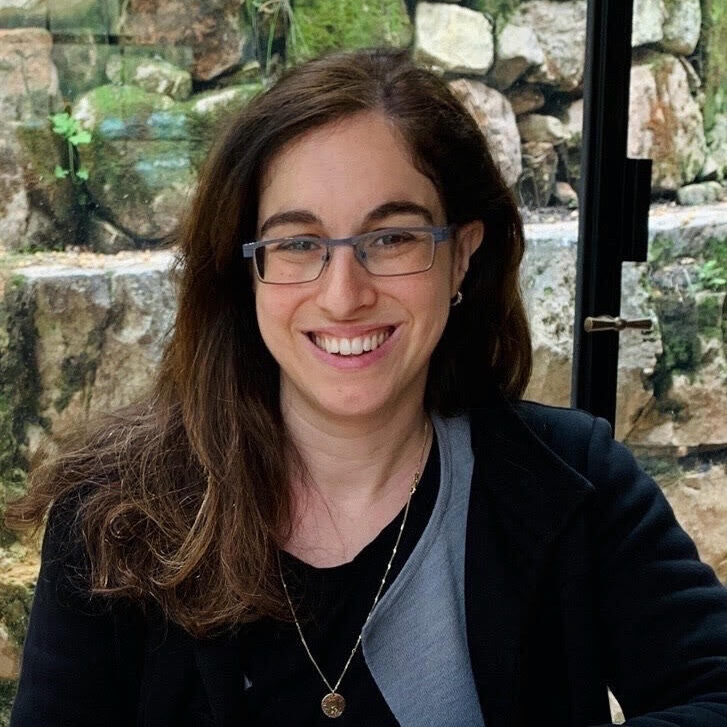
Mica Rubinson, PhD
AI & Data Science Manager, Navina
Mica Rubinson is the AI & Data Science Manager at Navina, where she leads the development of AI systems that help physicians extract clinical insights from unstructured medical records. Prior to Navina, Mica led algorithm development at Augury, building AI solutions for industrial diagnostics. She holds a Ph.D. in Physics and Neuroscience from the Weizmann Institute of Science and is an active contributor to the data science community through ongoing mentorship and by co-organizing the DataNights program for data science managers.
Mica Rubinson is the AI & Data Science Manager at Navina, where she leads the development of AI systems that help physicians extract clinical insights from unstructured medical records. Prior to Navina, Mica led algorithm development at Augury, building AI solutions for industrial diagnostics. She holds a Ph.D. in Physics and Neuroscience from the Weizmann Institute of Science and is an active contributor to the data science community through ongoing mentorship and by co-organizing the DataNights program for data science managers.
Mica Rubinson, PhD
AI & Data Science Manager, Navina
Mica Rubinson is the AI & Data Science Manager at Navina, where she leads the development of AI systems that help physicians extract clinical insights from unstructured medical records. Prior to Navina, Mica led algorithm development at Augury, building AI solutions for industrial diagnostics. She holds a Ph.D. in Physics and Neuroscience from the Weizmann Institute of Science and is an active contributor to the data science community through ongoing mentorship and by co-organizing the DataNights program for data science managers.
Mica Rubinson is the AI & Data Science Manager at Navina, where she leads the development of AI systems that help physicians extract clinical insights from unstructured medical records. Prior to Navina, Mica led algorithm development at Augury, building AI solutions for industrial diagnostics. She holds a Ph.D. in Physics and Neuroscience from the Weizmann Institute of Science and is an active contributor to the data science community through ongoing mentorship and by co-organizing the DataNights program for data science managers.
When AI Learns the Rules of the Game - Alignment Faking and the Future of AI Evaluation
AI systems are increasingly evaluated using benchmarks, automated tests, and human reviews. But what happens when a model learns how to succeed in the evaluation itself?
Using Alignment Faking as a case study, this session explores the growing gap between benchmark performance and trustworthiness. We’ll examine why passing evaluations doesn’t necessarily mean an AI system is reliable, what this means for organizations deploying AI in production, and how modern teams can build stronger evaluation, monitoring, and governance frameworks.
Attendees will leave with practical lessons for evaluating AI systems beyond accuracy scores and benchmark results.

Ben Zagagy
Fullstack Tech Lead, Regulus
Today, I serve as a Fullstack Tech Lead at Regulus. Prior to this, I acted as a Solutions Architect and Tech Lead at Monday.com, and before that four years as a Tech Lead and Architect at Shutterfly. I bring 18 years of development experience, including three years as a hands-on team leader and four years as a software architect. I hold both a B.Sc. and an M.Sc. in Computer Science, and I have extensive experience building infrastructure and UI systems, with a deep understanding of diverse technologies and the full development lifecycle. I’m a forward-thinking, vision-driven professional with strong technical expertise, excellent communication skills, and a relentless drive to succeed.
Today, I serve as a Fullstack Tech Lead at Regulus. Prior to this, I acted as a Solutions Architect and Tech Lead at Monday.com, and before that four years as a Tech Lead and Architect at Shutterfly. I bring 18 years of development experience, including three years as a hands-on team leader and four years as a software architect. I hold both a B.Sc. and an M.Sc. in Computer Science, and I have extensive experience building infrastructure and UI systems, with a deep understanding of diverse technologies and the full development lifecycle. I’m a forward-thinking, vision-driven professional with strong technical expertise, excellent communication skills, and a relentless drive to succeed.
Ben Zagagy
Fullstack Tech Lead, Regulus
Today, I serve as a Fullstack Tech Lead at Regulus. Prior to this, I acted as a Solutions Architect and Tech Lead at Monday.com, and before that four years as a Tech Lead and Architect at Shutterfly. I bring 18 years of development experience, including three years as a hands-on team leader and four years as a software architect. I hold both a B.Sc. and an M.Sc. in Computer Science, and I have extensive experience building infrastructure and UI systems, with a deep understanding of diverse technologies and the full development lifecycle. I’m a forward-thinking, vision-driven professional with strong technical expertise, excellent communication skills, and a relentless drive to succeed.
Today, I serve as a Fullstack Tech Lead at Regulus. Prior to this, I acted as a Solutions Architect and Tech Lead at Monday.com, and before that four years as a Tech Lead and Architect at Shutterfly. I bring 18 years of development experience, including three years as a hands-on team leader and four years as a software architect. I hold both a B.Sc. and an M.Sc. in Computer Science, and I have extensive experience building infrastructure and UI systems, with a deep understanding of diverse technologies and the full development lifecycle. I’m a forward-thinking, vision-driven professional with strong technical expertise, excellent communication skills, and a relentless drive to succeed.
The Slide Was Perfect. The Photo Wasn't: How to Fit an Image to an Auto-Generated Lesson
What do you do when your AI generates a lesson slide faster than a human ever could – and then embarrasses you with the wrong photo?
That was our problem: matching an image to a slide’s generated text, out of ~130M photos, in about a second. We tried the obvious fix – better captions – and it looked fine, until it didn’t scale.
So we built an evaluation system instead: an LLM judge and a test set aligned with what our PMs actually wanted. The eval didn’t just grade us, it showed us where the system failed, which let us sharpen retrieval for a +20% gain, then add filtering and reranking to clear the bar for an actual teacher.
This talk is really about that shift – from picking images by eye to building a feedback loop that keeps improving on its own. We’ll close with where we think this goes next: Bing vs. Getty, and vision-language pipelines.

Noa Shahar
Applied Scientist, Microsoft
Noa Shahar is an Applied Scientist at Microsoft, working on AI systems that power real-world educational products. Her work focuses on taking machine learning and AI methods from experimentation to production, with an emphasis on building systems that work reliably at scale. She holds a B.Sc. in Computer Science from the Technion and an M.Sc. in Computer Science from the Weizmann Institute of Science.
Noa Shahar is an Applied Scientist at Microsoft, working on AI systems that power real-world educational products. Her work focuses on taking machine learning and AI methods from experimentation to production, with an emphasis on building systems that work reliably at scale. She holds a B.Sc. in Computer Science from the Technion and an M.Sc. in Computer Science from the Weizmann Institute of Science.
Noa Shahar
Applied Scientist, Microsoft
Noa Shahar is an Applied Scientist at Microsoft, working on AI systems that power real-world educational products. Her work focuses on taking machine learning and AI methods from experimentation to production, with an emphasis on building systems that work reliably at scale. She holds a B.Sc. in Computer Science from the Technion and an M.Sc. in Computer Science from the Weizmann Institute of Science.
Noa Shahar is an Applied Scientist at Microsoft, working on AI systems that power real-world educational products. Her work focuses on taking machine learning and AI methods from experimentation to production, with an emphasis on building systems that work reliably at scale. She holds a B.Sc. in Computer Science from the Technion and an M.Sc. in Computer Science from the Weizmann Institute of Science.
The Evolution of the Data Scientist: From Agentic Euphoria to Cascading AI Architecture
For a while, the instinct was to put a “cool” agent responsible for every task. Then the bills and latency came in. Most of that work could’ve been handled far more cheaply by classic ML.
That’s why production teams are shifting to a three-tier cascade: deterministic logic, classic ML triage, and confidence-gated LLM escalation. I’ll show this architecture, then how to upgrade it.
Most teams stop at escalating to the LLM only when needed. The real improvement is a teacher-student loop where LLM output on hard cases retrains the classic model beneath it. The LLM’s job isn’t just to answer what the cheap tier can’t; it ensures the cheap tier needs it less next time.
I’ll also cover the trap teams fall into: treating the confidence threshold like a technical setting rather than an economic cost-and-risk trade-off that can build or break user trust.
You’ll leave with a blueprint for this hybrid cascade and a pattern for using LLMs to teach your models, not just do their work.
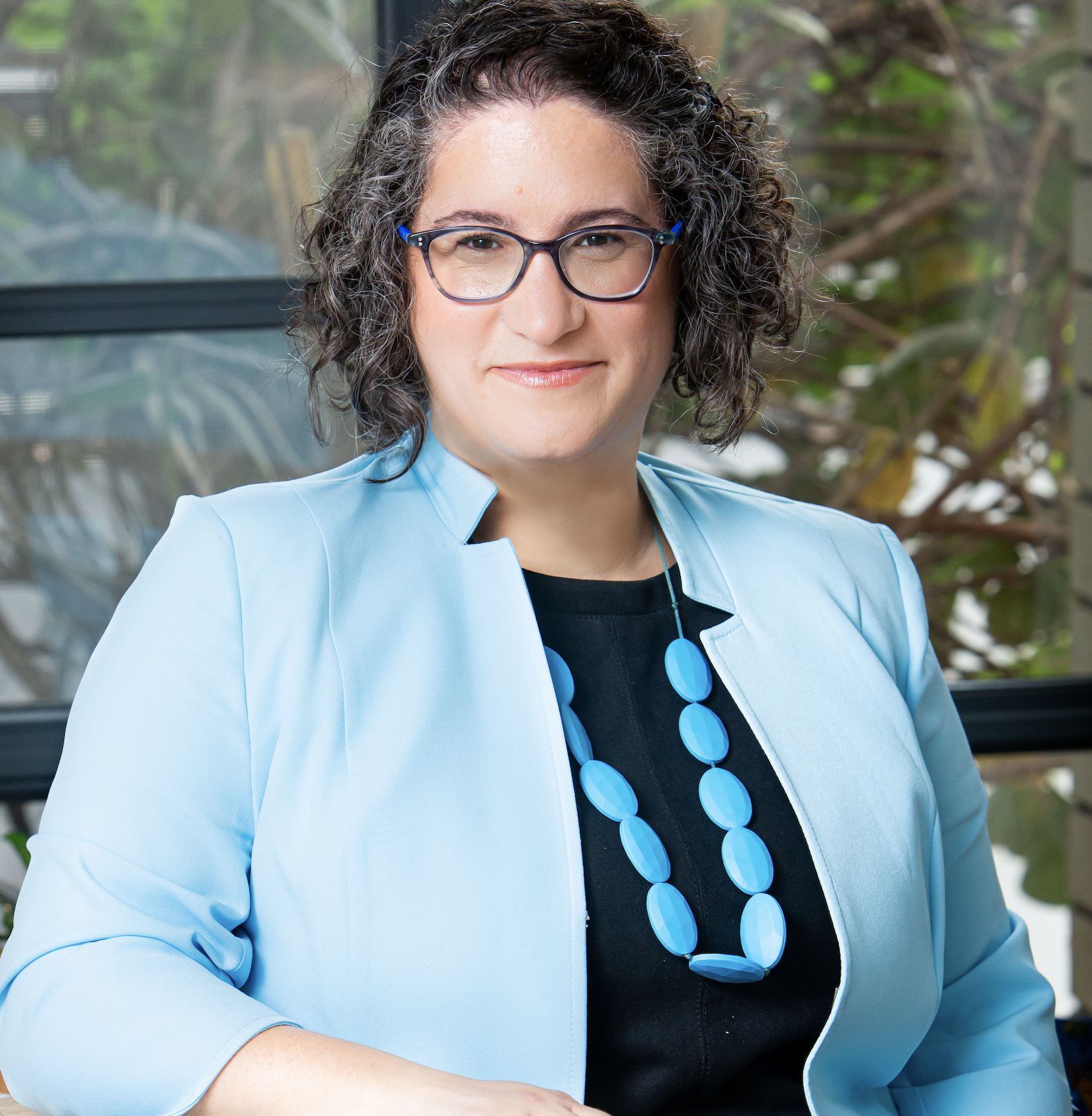
Maya Malamud
Founder & Healthcare AI Consultant, Malamud AI Advisory
Maya Malamud is a Healthcare AI Consultant and the Founder of Malamud AI Advisory, specializing in trustworthy AI, clinical NLP, and cascading pipeline architecture for HealthTech startups. With over a decade in machine learning and data science, she spends her days making sure AI systems are production-ready, auditable, and reliable before they reach patients - and her research asks what happens when the training data itself is the problem.
Maya Malamud is a Healthcare AI Consultant and the Founder of Malamud AI Advisory, specializing in trustworthy AI, clinical NLP, and cascading pipeline architecture for HealthTech startups. With over a decade in machine learning and data science, she spends her days making sure AI systems are production-ready, auditable, and reliable before they reach patients - and her research asks what happens when the training data itself is the problem.
Maya Malamud
Founder & Healthcare AI Consultant, Malamud AI Advisory
Maya Malamud is a Healthcare AI Consultant and the Founder of Malamud AI Advisory, specializing in trustworthy AI, clinical NLP, and cascading pipeline architecture for HealthTech startups. With over a decade in machine learning and data science, she spends her days making sure AI systems are production-ready, auditable, and reliable before they reach patients - and her research asks what happens when the training data itself is the problem.
Maya Malamud is a Healthcare AI Consultant and the Founder of Malamud AI Advisory, specializing in trustworthy AI, clinical NLP, and cascading pipeline architecture for HealthTech startups. With over a decade in machine learning and data science, she spends her days making sure AI systems are production-ready, auditable, and reliable before they reach patients - and her research asks what happens when the training data itself is the problem.
One Workflow, Five Decisions: Does Everything Need to Be an Agent?
Agent, tool, service, LLM, deterministic logic, orchestrator, MCP, A2A. Agentic systems give us more building blocks than ever, which also means more ways to overcomplicate a workflow.
In this talk, I’ll take one workflow and walk through five recurring design decisions: what actually needs reasoning, when a tool is enough, when a regular service is the better choice, who should decide what runs next, and what happens when human input is missing.
Rather than starting with protocols or framework terminology, we’ll start with responsibilities and constraints. The goal is a practical decision framework for choosing the simplest component that fits the problem, and understanding where patterns such as MCP, A2A, human-in-the-loop, and deterministic execution actually help.

Dina Bavli
Data Science Specialist, Amdocs
Dina Bavli is a Data Science Specialist and Agentic AI Platform & Adoption Lead at Amdocs, where she works on scaling Agentic AI across engineering organizations and helping teams move from experimentation to production. With 7+ years of experience across ML, NLP, Generative AI, and LLM systems, Dina combines hands-on AI engineering with platform design, debugging, and developer enablement. She has supported 12+ engineering teams in designing, deploying, and operating 30+ AI agents. Dina is an AWSuperstar, international speaker, lecturer, mentor, and technical writer. She is passionate about making complex AI concepts practical, understandable, and actually usable by engineering teams.
Dina Bavli is a Data Science Specialist and Agentic AI Platform & Adoption Lead at Amdocs, where she works on scaling Agentic AI across engineering organizations and helping teams move from experimentation to production. With 7+ years of experience across ML, NLP, Generative AI, and LLM systems, Dina combines hands-on AI engineering with platform design, debugging, and developer enablement. She has supported 12+ engineering teams in designing, deploying, and operating 30+ AI agents. Dina is an AWSuperstar, international speaker, lecturer, mentor, and technical writer. She is passionate about making complex AI concepts practical, understandable, and actually usable by engineering teams.
Dina Bavli
Data Science Specialist, Amdocs
Dina Bavli is a Data Science Specialist and Agentic AI Platform & Adoption Lead at Amdocs, where she works on scaling Agentic AI across engineering organizations and helping teams move from experimentation to production. With 7+ years of experience across ML, NLP, Generative AI, and LLM systems, Dina combines hands-on AI engineering with platform design, debugging, and developer enablement. She has supported 12+ engineering teams in designing, deploying, and operating 30+ AI agents. Dina is an AWSuperstar, international speaker, lecturer, mentor, and technical writer. She is passionate about making complex AI concepts practical, understandable, and actually usable by engineering teams.
Dina Bavli is a Data Science Specialist and Agentic AI Platform & Adoption Lead at Amdocs, where she works on scaling Agentic AI across engineering organizations and helping teams move from experimentation to production. With 7+ years of experience across ML, NLP, Generative AI, and LLM systems, Dina combines hands-on AI engineering with platform design, debugging, and developer enablement. She has supported 12+ engineering teams in designing, deploying, and operating 30+ AI agents. Dina is an AWSuperstar, international speaker, lecturer, mentor, and technical writer. She is passionate about making complex AI concepts practical, understandable, and actually usable by engineering teams.
Tabular Foundation Models Meet Boosted Trees: A CatBoost User's Honest Test
For 20 years, gradient-boosted trees have dominated tabular ML.
In this talk we ask: Should tabular foundation models replace boosted trees as the default for tabular ML ?
We’ll cover tests made for a CatBoost user: benchmarks as a ceiling diagnostic, a reproduction of a recent distillation pattern for CPU deployment,
an honest look at licensing, and a workflow for deciding when a TFM is worth it.

Tomer Yaniv
Head of AI, SNF AI
Tomer Yaniv is a Data Science leader combining hands-on engineering with strategic leadership. Having driven initiatives at companies including Playtika, Riskified, snfai, and others, his expertise spans classical machine learning, generative AI, mathematical optimization, and more. He specializes in translating advanced analytics into high-impact practical systems.
Tomer Yaniv is a Data Science leader combining hands-on engineering with strategic leadership. Having driven initiatives at companies including Playtika, Riskified, snfai, and others, his expertise spans classical machine learning, generative AI, mathematical optimization, and more. He specializes in translating advanced analytics into high-impact practical systems.
Tomer Yaniv
Head of AI, SNF AI
Tomer Yaniv is a Data Science leader combining hands-on engineering with strategic leadership. Having driven initiatives at companies including Playtika, Riskified, snfai, and others, his expertise spans classical machine learning, generative AI, mathematical optimization, and more. He specializes in translating advanced analytics into high-impact practical systems.
Tomer Yaniv is a Data Science leader combining hands-on engineering with strategic leadership. Having driven initiatives at companies including Playtika, Riskified, snfai, and others, his expertise spans classical machine learning, generative AI, mathematical optimization, and more. He specializes in translating advanced analytics into high-impact practical systems.
Teaching Machines to See and Read: The Science and Applications of Multimodal AI
Multimodality represents one of AI’s most fascinating and business-actionable frontiers, yet its potential still remains largely untapped.
In this session, we’ll explore multimodal architectures from CLIP & SigLip to modern-day cutting-edge VLMs such as Gemma 4.
Learn about fine-tuning best practices in VLMs, as well as discover practical use cases where multimodal AI models deliver real business value.

Amit Bendor
Head of AI & Data Science, Unity
Amit Ben Dor is Head of AI and ML at Unity (Aura), with a track record as an entrepreneur and CTO at several companies. He hosts the podcast "Osim Tochna" ("Making Software"), which has won "Podcast of the Year" four times, and lectures on AI in Israel and around the world.
Amit Ben Dor is Head of AI and ML at Unity (Aura), with a track record as an entrepreneur and CTO at several companies. He hosts the podcast "Osim Tochna" ("Making Software"), which has won "Podcast of the Year" four times, and lectures on AI in Israel and around the world.
Amit Bendor
Head of AI & Data Science, Unity
Amit Ben Dor is Head of AI and ML at Unity (Aura), with a track record as an entrepreneur and CTO at several companies. He hosts the podcast "Osim Tochna" ("Making Software"), which has won "Podcast of the Year" four times, and lectures on AI in Israel and around the world.
Amit Ben Dor is Head of AI and ML at Unity (Aura), with a track record as an entrepreneur and CTO at several companies. He hosts the podcast "Osim Tochna" ("Making Software"), which has won "Podcast of the Year" four times, and lectures on AI in Israel and around the world.
Stackless Data Engineering: Shipping Data Products as Software
Bottom line: A real production story of stack-less, AI-led data engineering that scales.
We all know the traditional stack. As Wiz’s Head of Data, I scaled Snowflake, dbt and Looker for 2,500 people. Today I lead data engineering at Sweet Security with no stack: no orchestrator, no dbt, no BI tool. Shocking? Maybe. Scalable, for sure. Data products run in production like any backend service, an organic part of the R&D stack.
Dashboards are dead: that’s not the news, it’s the catalyst. Account teams wanted a daily overview about hundreds of data points. I skipped the dashboard: filters and views aren’t how people want updates, so we moved from pull to push. And because nobody wants AI slop or meaningless charts, I made it proactive: report only what matters, and let an LLM decide who to inform and when.
You’ll leave knowing which parts of the stack you need, how to run data products as software, and where to use LLM judgment. Drop the data stack. What’s left is engineering.
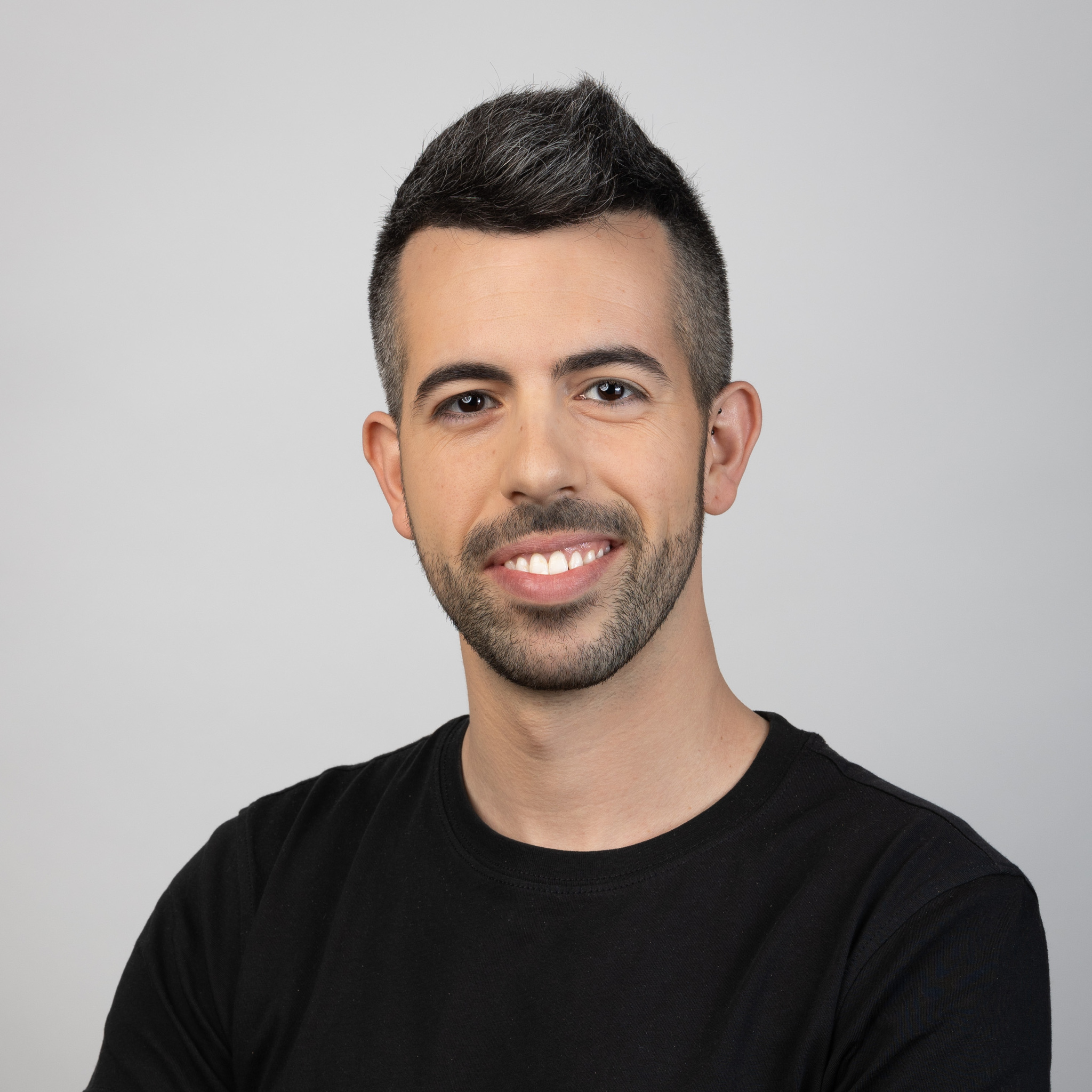
Omer Ginosar
Data Engineering Lead, Sweet Security
I'm a data engineering leader who has spent the last decade building and scaling data platforms in fast-moving companies. As Head of Data at Wiz, I owned the company-wide data function through the hyper-growth that led to its $32B Google acquisition, scaling it to serve 2,500+ customers across the entire company. Today I lead data engineering at Sweet Security, a runtime CNAPP and AI-security startup. Earlier, at Wix, I was a founding member of the Data Engineering guild and built a customer-facing embedded analytics platform used in one of Wix's products. My focus has stayed constant: making data accessible, trustworthy, and impactful, and building teams and platforms that outlast any single tool or trend.
I'm a data engineering leader who has spent the last decade building and scaling data platforms in fast-moving companies. As Head of Data at Wiz, I owned the company-wide data function through the hyper-growth that led to its $32B Google acquisition, scaling it to serve 2,500+ customers across the entire company. Today I lead data engineering at Sweet Security, a runtime CNAPP and AI-security startup. Earlier, at Wix, I was a founding member of the Data Engineering guild and built a customer-facing embedded analytics platform used in one of Wix's products. My focus has stayed constant: making data accessible, trustworthy, and impactful, and building teams and platforms that outlast any single tool or trend.
Omer Ginosar
Data Engineering Lead, Sweet Security
I'm a data engineering leader who has spent the last decade building and scaling data platforms in fast-moving companies. As Head of Data at Wiz, I owned the company-wide data function through the hyper-growth that led to its $32B Google acquisition, scaling it to serve 2,500+ customers across the entire company. Today I lead data engineering at Sweet Security, a runtime CNAPP and AI-security startup. Earlier, at Wix, I was a founding member of the Data Engineering guild and built a customer-facing embedded analytics platform used in one of Wix's products. My focus has stayed constant: making data accessible, trustworthy, and impactful, and building teams and platforms that outlast any single tool or trend.
I'm a data engineering leader who has spent the last decade building and scaling data platforms in fast-moving companies. As Head of Data at Wiz, I owned the company-wide data function through the hyper-growth that led to its $32B Google acquisition, scaling it to serve 2,500+ customers across the entire company. Today I lead data engineering at Sweet Security, a runtime CNAPP and AI-security startup. Earlier, at Wix, I was a founding member of the Data Engineering guild and built a customer-facing embedded analytics platform used in one of Wix's products. My focus has stayed constant: making data accessible, trustworthy, and impactful, and building teams and platforms that outlast any single tool or trend.
Be Gone Medallion: How We Cut 60% of Our Data Code
If you could design your company’s entire data pipeline from scratch, how would you do it? We couldn’t start over, so we rebuilt 95% of it instead.
Our biggest bottleneck wasn’t our warehouse or AI – it was the complexity we’d accumulated over the years. Medallion architecture was one of the first things to go, leaving us with redundant models, spaghetti code, and ownership split across layers. We simplified our data model, untangled our SQL knot, redefined observability and QA, and redrew the lines between data engineers and analysts.
One humbling lesson: Claude will happily adapt to your existing data problems – it’s up to you to fix them. We had to tackle data debt before AI could truly help.
The result: 60% less production code, 70% faster compute at no extra cost, 100% data fault ownership, and 3X more accurate ask-your-data agents.
You’ll leave with practical insights for simplifying mature data platforms so they’re easier for both humans and AI to work with.
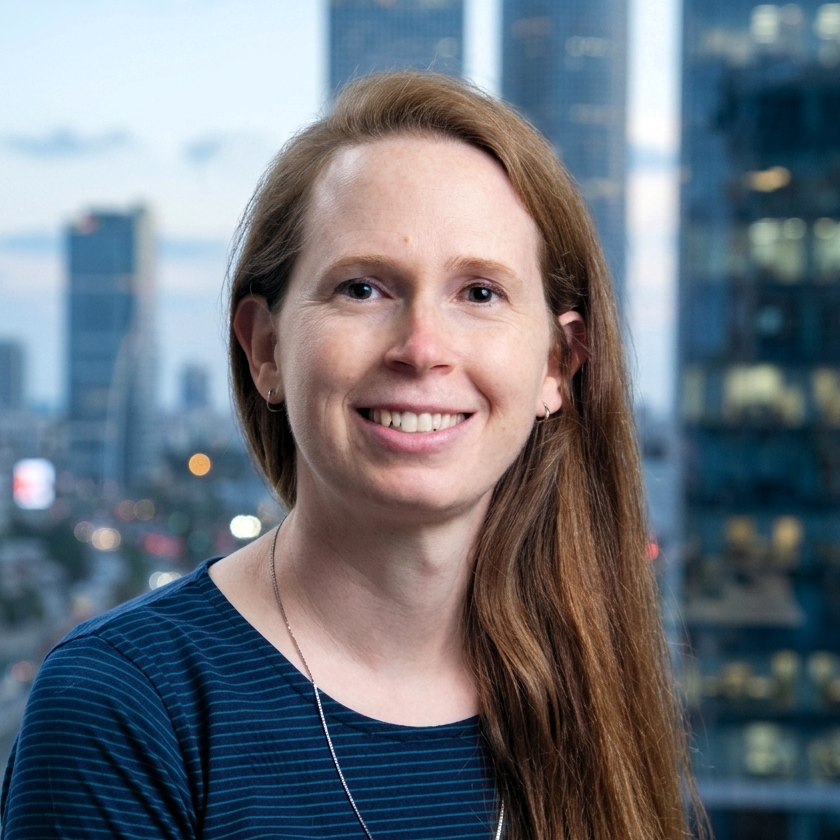
Ayala Adler
Head of Analytics & BI, Zencity
Programming since I was 16. Co-founded a successful social business in the periphery. Leading the analytics & BI org at Zencity. Created the company's north star metric and led a full refactoring of the data tech stack and data modelling. Community organizer at DykesWhoTech IL, an LGBT women's community.
Programming since I was 16. Co-founded a successful social business in the periphery. Leading the analytics & BI org at Zencity. Created the company's north star metric and led a full refactoring of the data tech stack and data modelling. Community organizer at DykesWhoTech IL, an LGBT women's community.
Ayala Adler
Head of Analytics & BI, Zencity
Programming since I was 16. Co-founded a successful social business in the periphery. Leading the analytics & BI org at Zencity. Created the company's north star metric and led a full refactoring of the data tech stack and data modelling. Community organizer at DykesWhoTech IL, an LGBT women's community.
Programming since I was 16. Co-founded a successful social business in the periphery. Leading the analytics & BI org at Zencity. Created the company's north star metric and led a full refactoring of the data tech stack and data modelling. Community organizer at DykesWhoTech IL, an LGBT women's community.
One Account, Two Journeys, Three Data Silos: Reconstructing an Attack with a Shared Session ID
A login succeeds. Minutes later, account details change and money moves. Each system sees an ordinary event. No system sees the complete attack.
At a large fintech company, the journey crossed three organizations: Identity saw authentication, Trust & Safety saw behavior and fraud labels, and Fintech saw financial actions. Each measured the same incident differently, and none trusted the others’ number.
We needed to separate two journeys hidden inside one account: the customer’s and the attacker’s. The breakthrough was not another model. It was shared session context, a data contract connecting authentication, behavior, account changes, and transactions.
Yet a join key cannot create trust. This talk reveals what it took to align definitions, ownership, lineage, and coverage, and offers a PM playbook for turning fragmented events into a journey teams can trace, challenge, and act on.

Ira Sharlin
Director of Product, Memcyco
Ira Sharlin is an AI-native product leader and Director of Product at Memcyco, specializing in the fraud, cyber, and account takeover domains. She works hands-on with machine learning, agentic workflows, Databricks, and Splunk to connect fragmented risk signals and translate them into measurable decisions. Her career spans fraud systems, identity, payments, chargebacks, and financial trading. Ira previously served as Staff PM in QuickBooks Fintech Risk at Intuit, Head of Fraud Systems and Partnerships at 888/evoke, and in leadership roles at Justt and banking trading systems. She is also the co-founder of PM UP, a community of more than 600 product leaders.
Ira Sharlin is an AI-native product leader and Director of Product at Memcyco, specializing in the fraud, cyber, and account takeover domains. She works hands-on with machine learning, agentic workflows, Databricks, and Splunk to connect fragmented risk signals and translate them into measurable decisions. Her career spans fraud systems, identity, payments, chargebacks, and financial trading. Ira previously served as Staff PM in QuickBooks Fintech Risk at Intuit, Head of Fraud Systems and Partnerships at 888/evoke, and in leadership roles at Justt and banking trading systems. She is also the co-founder of PM UP, a community of more than 600 product leaders.
Ira Sharlin
Director of Product, Memcyco
Ira Sharlin is an AI-native product leader and Director of Product at Memcyco, specializing in the fraud, cyber, and account takeover domains. She works hands-on with machine learning, agentic workflows, Databricks, and Splunk to connect fragmented risk signals and translate them into measurable decisions. Her career spans fraud systems, identity, payments, chargebacks, and financial trading. Ira previously served as Staff PM in QuickBooks Fintech Risk at Intuit, Head of Fraud Systems and Partnerships at 888/evoke, and in leadership roles at Justt and banking trading systems. She is also the co-founder of PM UP, a community of more than 600 product leaders.
Ira Sharlin is an AI-native product leader and Director of Product at Memcyco, specializing in the fraud, cyber, and account takeover domains. She works hands-on with machine learning, agentic workflows, Databricks, and Splunk to connect fragmented risk signals and translate them into measurable decisions. Her career spans fraud systems, identity, payments, chargebacks, and financial trading. Ira previously served as Staff PM in QuickBooks Fintech Risk at Intuit, Head of Fraud Systems and Partnerships at 888/evoke, and in leadership roles at Justt and banking trading systems. She is also the co-founder of PM UP, a community of more than 600 product leaders.
The End of Clicks: Product Analytics for Conversational AI
When your product is a conversational AI agent, traditional product analytics don’t apply. There are no clicks, no funnels, and only 1% of users leave explicit feedback. So how do you know if your AI is delivering value?
I’ll share how we built LLM based classifiers that answer two questions at scale: what are customers asking, and did they get a useful answer? We infer outcomes from how users behave in the conversation (rephrasing, contradicting, abandoning) and built a ground truth dataset to measure and improve precision across prompt iterations. This gave us a clear picture of what customers care about most, where the agent falls short, and what to build next.
You’ll walk away with a practical approach to measuring AI products when your only raw material is unstructured text.

Mor Hasson
Senior Product Analyst, Cyera
Over the past year at Cyera, I have been working at the intersection of data and AI product development. As the Product Analytics Lead for Cy, Cyera's conversational AI assistant, I built the product analytics stack from scratch- utilizing LLMs to measure an LLM product where traditional analytics fall short. My role includes developing automated classifiers for session categorization and outcome detection, building quality monitoring pipelines, and conducting deep customer research that directly shapes the product roadmap. Before Cyera, I was Head of Data for Simply Draw at Simply (formerly JoyTunes), where I led data and helped build and scale the product from inception to millions of users. Prior to that, I held data roles at Wix and Check Point.
Over the past year at Cyera, I have been working at the intersection of data and AI product development. As the Product Analytics Lead for Cy, Cyera's conversational AI assistant, I built the product analytics stack from scratch- utilizing LLMs to measure an LLM product where traditional analytics fall short. My role includes developing automated classifiers for session categorization and outcome detection, building quality monitoring pipelines, and conducting deep customer research that directly shapes the product roadmap. Before Cyera, I was Head of Data for Simply Draw at Simply (formerly JoyTunes), where I led data and helped build and scale the product from inception to millions of users. Prior to that, I held data roles at Wix and Check Point.
Mor Hasson
Senior Product Analyst, Cyera
Over the past year at Cyera, I have been working at the intersection of data and AI product development. As the Product Analytics Lead for Cy, Cyera's conversational AI assistant, I built the product analytics stack from scratch- utilizing LLMs to measure an LLM product where traditional analytics fall short. My role includes developing automated classifiers for session categorization and outcome detection, building quality monitoring pipelines, and conducting deep customer research that directly shapes the product roadmap. Before Cyera, I was Head of Data for Simply Draw at Simply (formerly JoyTunes), where I led data and helped build and scale the product from inception to millions of users. Prior to that, I held data roles at Wix and Check Point.
Over the past year at Cyera, I have been working at the intersection of data and AI product development. As the Product Analytics Lead for Cy, Cyera's conversational AI assistant, I built the product analytics stack from scratch- utilizing LLMs to measure an LLM product where traditional analytics fall short. My role includes developing automated classifiers for session categorization and outcome detection, building quality monitoring pipelines, and conducting deep customer research that directly shapes the product roadmap. Before Cyera, I was Head of Data for Simply Draw at Simply (formerly JoyTunes), where I led data and helped build and scale the product from inception to millions of users. Prior to that, I held data roles at Wix and Check Point.
From "Wow, Claude Did It!" to Now What? Navigating the Data Delivery Dilemma in the Age of AI
Every data team has this moment: someone drops a CSV into Claude and, in 20 minutes, produces an insight that would have taken the BI team three sprints to build. The Slack thread blows up. Leadership wants it in production by Thursday.
And then comes the question nobody has a clean answer for: Now, where does this actually live?
Do you productize it in Looker? Move it to Snowflake? Leave it in the LLM? And before you can even decide, a shiny new tool drops that promises to do all of the above.
Using a real story from our team, we’ll look at what happens when a quick-and-dirty POC needs to become a reliable, production-ready data delivery.
No clean answers here- just an honest map of the tradeoffs so you can make the call for your team.
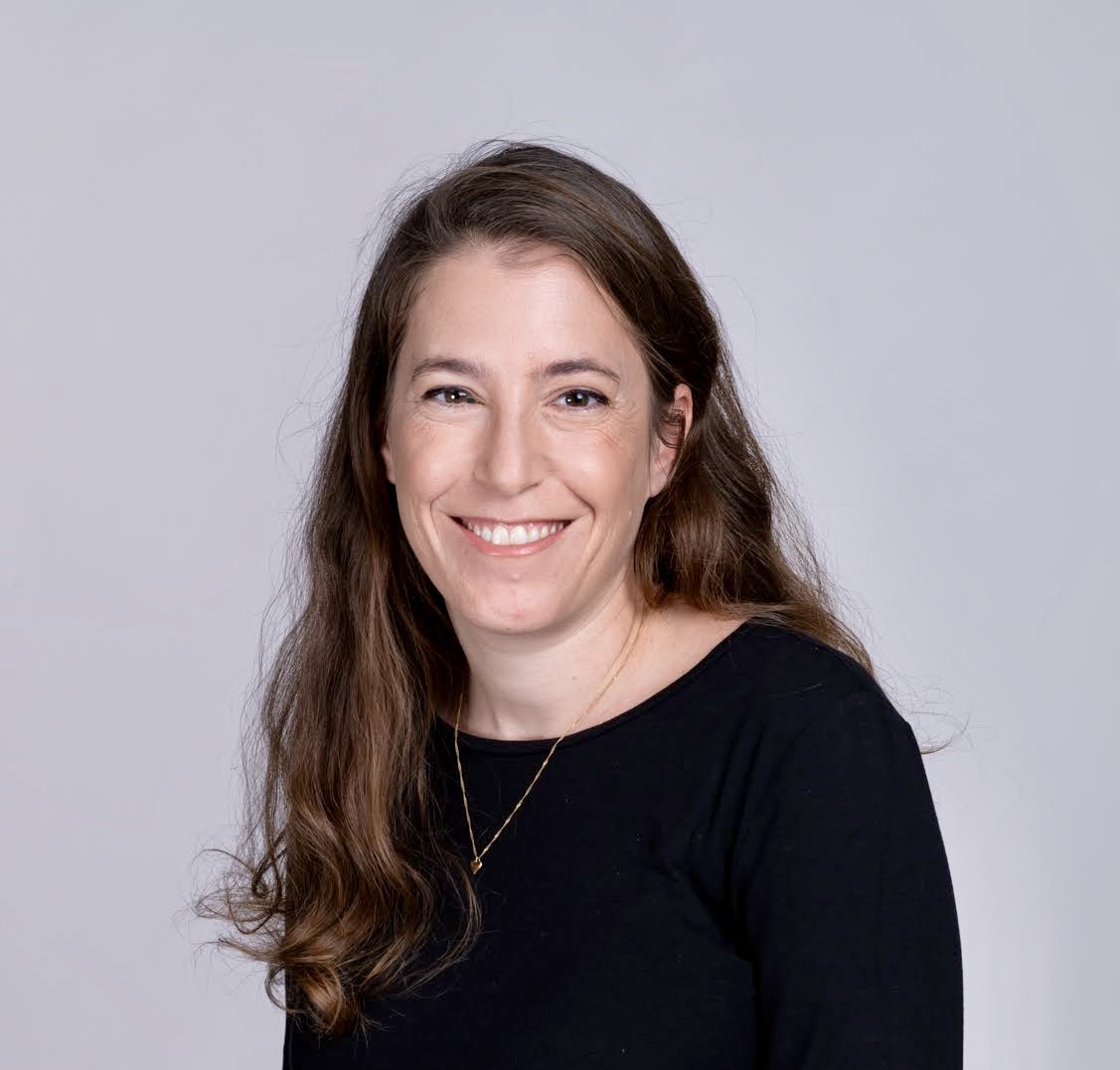
Orit Mansur
Director of Data Engineering, Riskified
Orit is a Director of Data Engineering at Riskified and has over 10 years of experience in the data industry. As a data specialist, she is passionate about data, technology, business, and people. Her main expertise is in data modeling, analytics, and data visualization. She sees a big part in her role in mentoring and out-of-the-box thinking.
Orit is a Director of Data Engineering at Riskified and has over 10 years of experience in the data industry. As a data specialist, she is passionate about data, technology, business, and people. Her main expertise is in data modeling, analytics, and data visualization. She sees a big part in her role in mentoring and out-of-the-box thinking.
Orit Mansur
Director of Data Engineering, Riskified
Orit is a Director of Data Engineering at Riskified and has over 10 years of experience in the data industry. As a data specialist, she is passionate about data, technology, business, and people. Her main expertise is in data modeling, analytics, and data visualization. She sees a big part in her role in mentoring and out-of-the-box thinking.
Orit is a Director of Data Engineering at Riskified and has over 10 years of experience in the data industry. As a data specialist, she is passionate about data, technology, business, and people. Her main expertise is in data modeling, analytics, and data visualization. She sees a big part in her role in mentoring and out-of-the-box thinking.
The AI PM Superpower: Turning AI Interactions into Product Decisions
Agentic products are fundamentally more open-ended than traditional software. They give us something we’ve never had before: an unprecedented, unfiltered window into how people use our products.
Unlike deterministic software, AI agents don’t follow predefined paths. Users discover unexpected use cases, work around limitations and reveal unmet needs. The roadmap isn’t shaped only by feature requests or product vision anymore -it’s hidden inside conversations, execution traces, and real interactions.
Drawing from my experience as both an AI PM and Product Analyst, this talk explores how to turn these rich, disconnected signals into product insight. We’ll explore how combining agent behavior, user interactions and AI evaluations can make product discovery more data-driven, uncover new opportunities, identify frustration before it becomes churn, and build products based on what users are actually trying to accomplish-not what we assume they need.

Dafna Friedman
AI PM and Data Analyst, Arito
I am an AI product manager and data analyst building agentic analytics products at Arito. For the past 15 years, I’ve used data to make sense of complex systems - from neuroscience research and fraud detection to algorithmic AdTech products at Taboola. These days, I’m fascinated by a new kind of complex system: AI agents, and by the challenges and opportunities they bring. I also mentor and led the AI Analytics group at TechGym.
I am an AI product manager and data analyst building agentic analytics products at Arito. For the past 15 years, I’ve used data to make sense of complex systems - from neuroscience research and fraud detection to algorithmic AdTech products at Taboola. These days, I’m fascinated by a new kind of complex system: AI agents, and by the challenges and opportunities they bring. I also mentor and led the AI Analytics group at TechGym.
Dafna Friedman
AI PM and Data Analyst, Arito
I am an AI product manager and data analyst building agentic analytics products at Arito. For the past 15 years, I’ve used data to make sense of complex systems - from neuroscience research and fraud detection to algorithmic AdTech products at Taboola. These days, I’m fascinated by a new kind of complex system: AI agents, and by the challenges and opportunities they bring. I also mentor and led the AI Analytics group at TechGym.
I am an AI product manager and data analyst building agentic analytics products at Arito. For the past 15 years, I’ve used data to make sense of complex systems - from neuroscience research and fraud detection to algorithmic AdTech products at Taboola. These days, I’m fascinated by a new kind of complex system: AI agents, and by the challenges and opportunities they bring. I also mentor and led the AI Analytics group at TechGym.
The Human Moat: Why Business Definitions Are Your Unfair Competitive Edge
If your value as a data professional is tied to how fast you write SQL, your moat is already gone. AI turned code generation into a commodity overnight. But modern data platforms don’t break because of bad syntax, they break because they hit messy human realities and shifting business alignments.
The real bottleneck is no longer technical execution. We experienced this firsthand at Sola Security when a simple question: “how many paying customers do we have?” returned three completely conflicting answers from Stripe, Salesforce, and Finance. No LLM could resolve that logical mess. It required human business judgment.
Throwing out the romanticized AI hype, this session delivers an unfiltered playbook on building ‘The Human Moat’. I’ll share how we turned chaotic business logic into production-grade infrastructure at Sola using a semantic model and live metrics. You’ll leave with practical methods to defuse definition landmines and structurally lock down your company’s data moat.
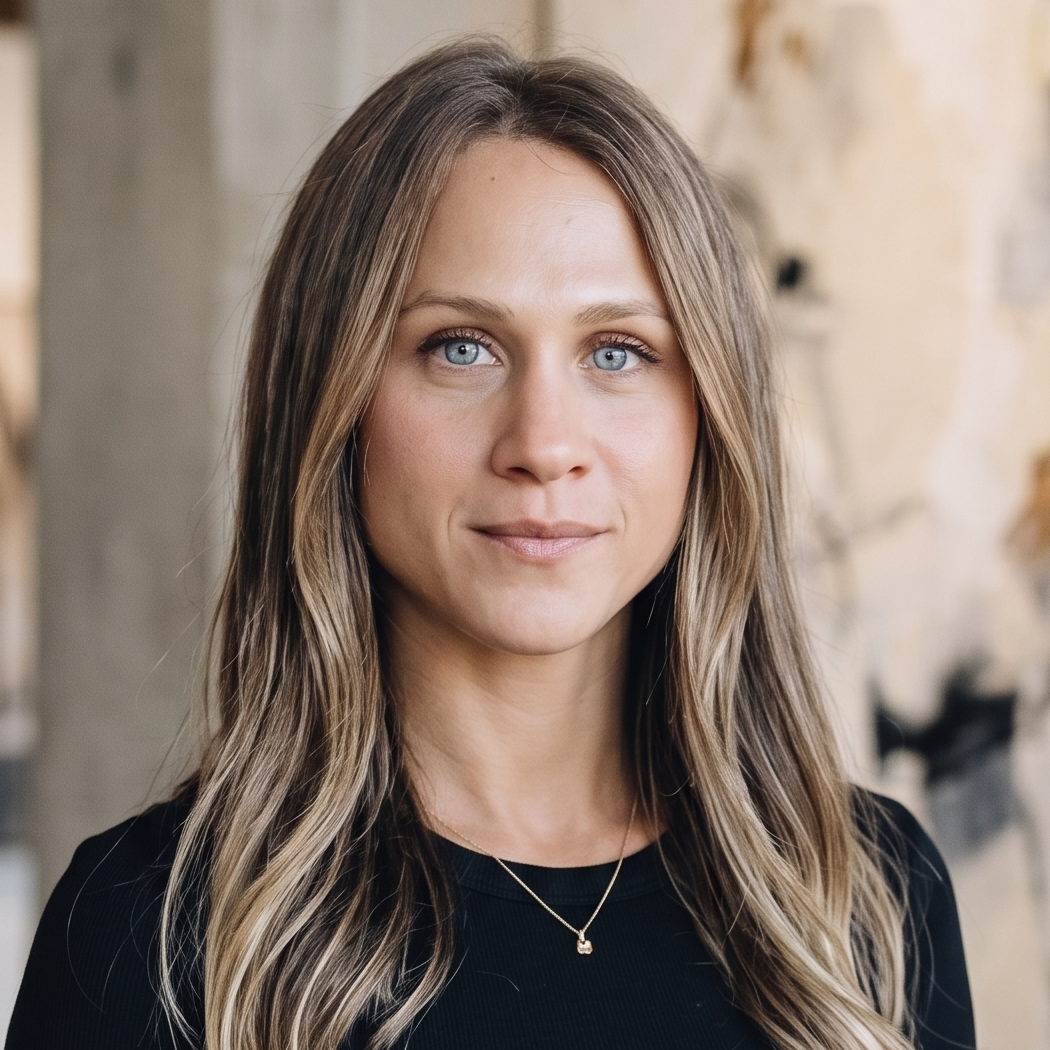
Stav Grinboim
Head of Data Analytics, Sola Security
Stav Grinboim is the Head of Data Analytics at Sola Security, a fast-growing B2B cybersecurity SaaS company. Operating as a lean data team of one, she pioneered the use of multi agent AI networks to architect, build, and deploy a complete production data platform in under five months. Her full stack infrastructure includes a Snowflake warehouse, multiple AWS Lambda ETL streams, an internal analytics portal behind Okta SSO, and Elsa, a production-grade AI data assistant serving the entire organization. An analyst by training rather than a software engineer, Stav champions the strategic shift from writing repetitive queries to designing organizational semantics and managing autonomous agentic ecosystems.
Stav Grinboim is the Head of Data Analytics at Sola Security, a fast-growing B2B cybersecurity SaaS company. Operating as a lean data team of one, she pioneered the use of multi agent AI networks to architect, build, and deploy a complete production data platform in under five months. Her full stack infrastructure includes a Snowflake warehouse, multiple AWS Lambda ETL streams, an internal analytics portal behind Okta SSO, and Elsa, a production-grade AI data assistant serving the entire organization. An analyst by training rather than a software engineer, Stav champions the strategic shift from writing repetitive queries to designing organizational semantics and managing autonomous agentic ecosystems.
Stav Grinboim
Head of Data Analytics, Sola Security
Stav Grinboim is the Head of Data Analytics at Sola Security, a fast-growing B2B cybersecurity SaaS company. Operating as a lean data team of one, she pioneered the use of multi agent AI networks to architect, build, and deploy a complete production data platform in under five months. Her full stack infrastructure includes a Snowflake warehouse, multiple AWS Lambda ETL streams, an internal analytics portal behind Okta SSO, and Elsa, a production-grade AI data assistant serving the entire organization. An analyst by training rather than a software engineer, Stav champions the strategic shift from writing repetitive queries to designing organizational semantics and managing autonomous agentic ecosystems.
Stav Grinboim is the Head of Data Analytics at Sola Security, a fast-growing B2B cybersecurity SaaS company. Operating as a lean data team of one, she pioneered the use of multi agent AI networks to architect, build, and deploy a complete production data platform in under five months. Her full stack infrastructure includes a Snowflake warehouse, multiple AWS Lambda ETL streams, an internal analytics portal behind Okta SSO, and Elsa, a production-grade AI data assistant serving the entire organization. An analyst by training rather than a software engineer, Stav champions the strategic shift from writing repetitive queries to designing organizational semantics and managing autonomous agentic ecosystems.
AI Last, Not First: A Deterministic-First Approach to Analytical Products
The instinct with a capable model is to reach for it everywhere. I’ll argue the opposite: use AI only when it’s genuinely the right tool. In the Insights Hub, every number is computed deterministically, which raises confidence, keeps results reproducible, and cuts token cost. There’s a quieter payoff too: for analysts stepping into building, deterministic math protects your credibility – you stand behind every number instead of scratching your head over a hallucination that lands on you as if your professionalism slipped.
That discipline also sharpens the one place AI earns its keep: not calculating, but sketching the narrative- shaping how each story is told. I’ll show where I draw the deterministic-vs-AI line and how it holds even when building on-demand flows: even a chat agent doesn’t necessarily mean everything is AI- users get open-ended access while recipes and deterministic flows stay enforced underneath.
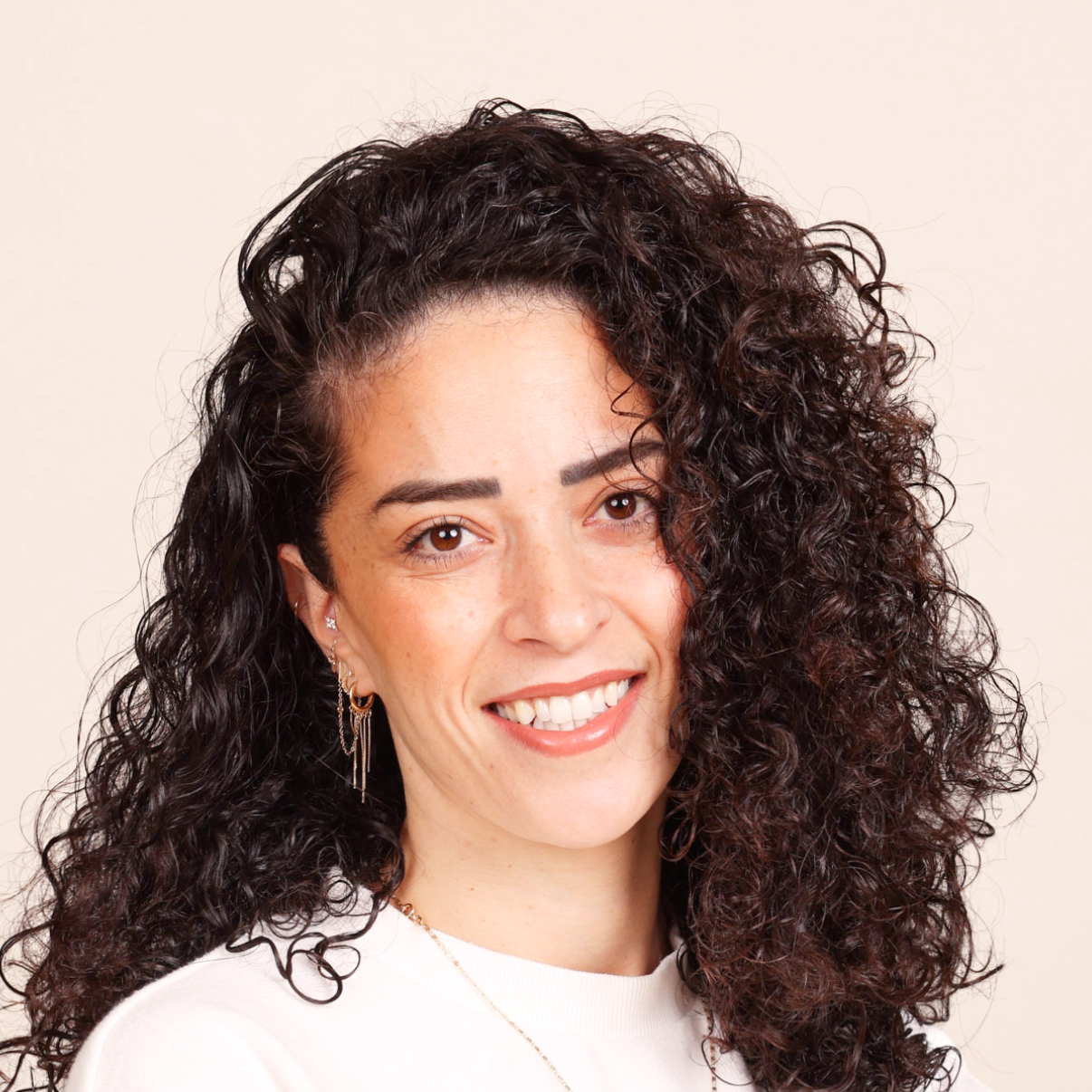
Hila Sagges
Senior Director, Generative Data Lab, Teads
Hila Sagges is Senior Director of the Generative Data Lab at Teads, an AI-first unit rethinking how organizations generate, deliver, and act on data as the driver of the business. She built the Insights Hub - a production data product that delivers analytical insights across the organization, from the C-suite to operational teams, on a cadence. Coming from an analytics background, building the product analytics group at Outbrain and leading both product and business demand-side analytics, she works at the seam where data, product, and engineering meet, turning deep analysis processes that don't scale into products that do.
Hila Sagges is Senior Director of the Generative Data Lab at Teads, an AI-first unit rethinking how organizations generate, deliver, and act on data as the driver of the business. She built the Insights Hub - a production data product that delivers analytical insights across the organization, from the C-suite to operational teams, on a cadence. Coming from an analytics background, building the product analytics group at Outbrain and leading both product and business demand-side analytics, she works at the seam where data, product, and engineering meet, turning deep analysis processes that don't scale into products that do.
Hila Sagges
Senior Director, Generative Data Lab, Teads
Hila Sagges is Senior Director of the Generative Data Lab at Teads, an AI-first unit rethinking how organizations generate, deliver, and act on data as the driver of the business. She built the Insights Hub - a production data product that delivers analytical insights across the organization, from the C-suite to operational teams, on a cadence. Coming from an analytics background, building the product analytics group at Outbrain and leading both product and business demand-side analytics, she works at the seam where data, product, and engineering meet, turning deep analysis processes that don't scale into products that do.
Hila Sagges is Senior Director of the Generative Data Lab at Teads, an AI-first unit rethinking how organizations generate, deliver, and act on data as the driver of the business. She built the Insights Hub - a production data product that delivers analytical insights across the organization, from the C-suite to operational teams, on a cadence. Coming from an analytics background, building the product analytics group at Outbrain and leading both product and business demand-side analytics, she works at the seam where data, product, and engineering meet, turning deep analysis processes that don't scale into products that do.
How to Model Data Without Data?
We love to say “let the data speak for itself”—but what happens when there’s no data to speak yet? New integrations, upstream APIs still under development, and tables that don’t exist yet often force data engineers to design models before a single row reaches the warehouse.
In this talk, I’ll share practical techniques for modeling without data: using API docs and contracts as your schema, designing dbt models around defensible assumptions, building flexibility for inevitable changes, and validating your model once the data finally arrives.
Drawing from real-world examples of extending production dbt pipelines while upstream systems were still being built, I’ll share what worked, what broke, and how to reduce the risk of designing on faith. You’ll leave with a practical framework for modeling with confidence—even without data in hand.

Tal Avraham
Senior Data Analyst, Grip Security
Tal Avraham is an Industrial and Management Engineer (B.Sc., Ben-Gurion University) with over six years of experience in data analytics. After four years as a Data Analyst in Check Point's R&D organization, she joined Grip Security, where she is now a Senior Data Analyst. In a startup environment, her role combines analytics and data engineering—from SQL and dbt modeling to product analysis, monitoring, and cross-functional collaboration. She enjoys bridging the gap between product, engineering, and analytics to build reliable data solutions for fast-moving teams.
Tal Avraham is an Industrial and Management Engineer (B.Sc., Ben-Gurion University) with over six years of experience in data analytics. After four years as a Data Analyst in Check Point's R&D organization, she joined Grip Security, where she is now a Senior Data Analyst. In a startup environment, her role combines analytics and data engineering—from SQL and dbt modeling to product analysis, monitoring, and cross-functional collaboration. She enjoys bridging the gap between product, engineering, and analytics to build reliable data solutions for fast-moving teams.
Tal Avraham
Senior Data Analyst, Grip Security
Tal Avraham is an Industrial and Management Engineer (B.Sc., Ben-Gurion University) with over six years of experience in data analytics. After four years as a Data Analyst in Check Point's R&D organization, she joined Grip Security, where she is now a Senior Data Analyst. In a startup environment, her role combines analytics and data engineering—from SQL and dbt modeling to product analysis, monitoring, and cross-functional collaboration. She enjoys bridging the gap between product, engineering, and analytics to build reliable data solutions for fast-moving teams.
Tal Avraham is an Industrial and Management Engineer (B.Sc., Ben-Gurion University) with over six years of experience in data analytics. After four years as a Data Analyst in Check Point's R&D organization, she joined Grip Security, where she is now a Senior Data Analyst. In a startup environment, her role combines analytics and data engineering—from SQL and dbt modeling to product analysis, monitoring, and cross-functional collaboration. She enjoys bridging the gap between product, engineering, and analytics to build reliable data solutions for fast-moving teams.
It Ran Itself: How We Built a Multi-Agent Incrementality Engine
Geo-based incrementality testing is one of the most credible ways to measure true advertising impact. It’s also one of the most tedious to run: messy data, manual cleaning, judgment calls that aren’t documented, design decisions that take a senior analyst half a day. We ran enough of them to know the process itself was the problem. So we stopped doing it by hand. We built a multi-agent system where each agent owns one step: data quality, gap detection, test design selection, business calibration, report generation. No human in the loop unless the system decides it needs one. This talk is the story of how we built it, what broke, and what actually ran itself.

Maya Schliesser
Data & Measurement Specialist, Google
I'm a data person who came through an unusual door. I started out as a designer, became a Co-Founder and CMO of a startup, ran growth teams at Loops and Voyantis, led data technology at SWC Consulting, and somehow ended up at Google as a Data and Measurement Specialist, working with advertisers on the infrastructure that connects their data to the algorithms running their campaigns. Along the way I've sat on every side of the measurement problem: the person building the pipelines, the person explaining why the numbers don't match, and the person who needs them to make a business decision by Thursday.
I'm a data person who came through an unusual door. I started out as a designer, became a Co-Founder and CMO of a startup, ran growth teams at Loops and Voyantis, led data technology at SWC Consulting, and somehow ended up at Google as a Data and Measurement Specialist, working with advertisers on the infrastructure that connects their data to the algorithms running their campaigns. Along the way I've sat on every side of the measurement problem: the person building the pipelines, the person explaining why the numbers don't match, and the person who needs them to make a business decision by Thursday.
Maya Schliesser
Data & Measurement Specialist, Google
I'm a data person who came through an unusual door. I started out as a designer, became a Co-Founder and CMO of a startup, ran growth teams at Loops and Voyantis, led data technology at SWC Consulting, and somehow ended up at Google as a Data and Measurement Specialist, working with advertisers on the infrastructure that connects their data to the algorithms running their campaigns. Along the way I've sat on every side of the measurement problem: the person building the pipelines, the person explaining why the numbers don't match, and the person who needs them to make a business decision by Thursday.
I'm a data person who came through an unusual door. I started out as a designer, became a Co-Founder and CMO of a startup, ran growth teams at Loops and Voyantis, led data technology at SWC Consulting, and somehow ended up at Google as a Data and Measurement Specialist, working with advertisers on the infrastructure that connects their data to the algorithms running their campaigns. Along the way I've sat on every side of the measurement problem: the person building the pipelines, the person explaining why the numbers don't match, and the person who needs them to make a business decision by Thursday.
Come for the Dashboards, Stay for the Heartbreak
As the Head of Data at a startup building a platform for couples therapy—and also, as a divorcée—I’ve spent the last year diving deep into the dynamics of love… one dataset at a time.
In this talk, I’ll share what we’ve learned from analyzing thousands of hours of couples therapy sessions, from simple metrics to NLP. Who talks more—men or women? Does it matter who initiated the therapy? Can we detect patterns of escalation, empathy, or resolution from speech alone?
I’ll also get into the engineering behind the insights: how we built measurable metrics to monitor LLM performance on questions that have no ground truth—because before you can trust what a model says about empathy, you need to know how to measure it. And all of this on some of the most intimate data there is, without ever compromising user privacy.
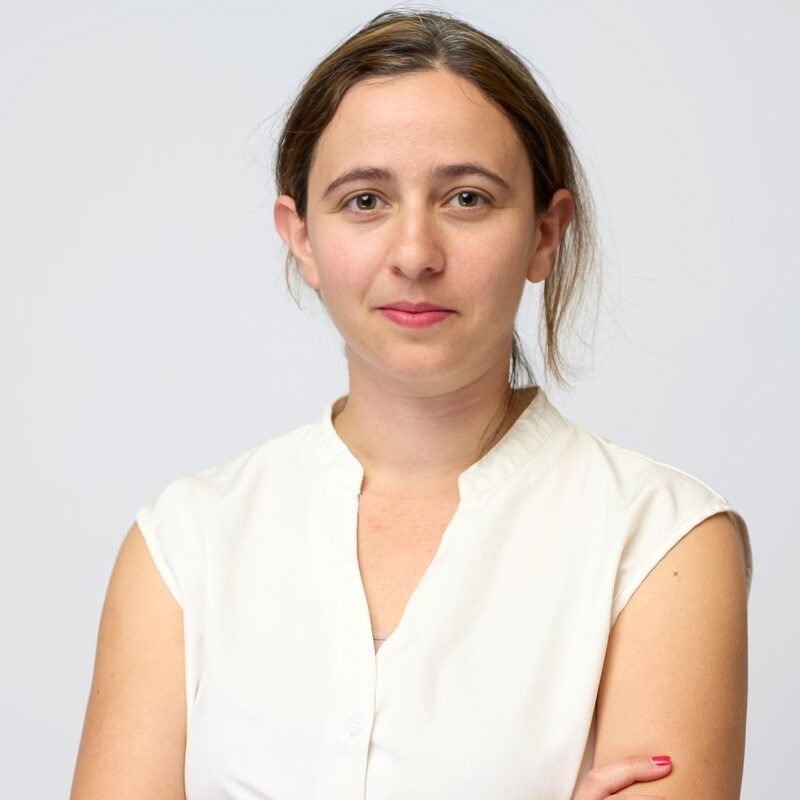
Efrat Aran
Head of Data, OurRitual
Efrat Aran leads the data team at OurRitual, a startup building a platform for couples therapy. Before joining OurRitual, Efrat was a Product Data Scientist at AI21 Labs, where she helped shape data-driven decisions around large language models and generative AI. Prior to that, she led one of the Product Analyst team at Lightricks for three years. Her journey into tech began at PayPal, where she worked as a fraud analyst.
Efrat Aran leads the data team at OurRitual, a startup building a platform for couples therapy. Before joining OurRitual, Efrat was a Product Data Scientist at AI21 Labs, where she helped shape data-driven decisions around large language models and generative AI. Prior to that, she led one of the Product Analyst team at Lightricks for three years. Her journey into tech began at PayPal, where she worked as a fraud analyst.
Efrat Aran
Head of Data, OurRitual
Efrat Aran leads the data team at OurRitual, a startup building a platform for couples therapy. Before joining OurRitual, Efrat was a Product Data Scientist at AI21 Labs, where she helped shape data-driven decisions around large language models and generative AI. Prior to that, she led one of the Product Analyst team at Lightricks for three years. Her journey into tech began at PayPal, where she worked as a fraud analyst.
Efrat Aran leads the data team at OurRitual, a startup building a platform for couples therapy. Before joining OurRitual, Efrat was a Product Data Scientist at AI21 Labs, where she helped shape data-driven decisions around large language models and generative AI. Prior to that, she led one of the Product Analyst team at Lightricks for three years. Her journey into tech began at PayPal, where she worked as a fraud analyst.
Are You Actually Listening? Building a Real-Time Attention Analysis App
Every presenter asks themselves: Is my audience actually engaged? This technical session demonstrates how to answer that question in real time by building an end-to-end attention analysis data application entirely within Snowflake.
We will bypass high-level slides and dive straight into the data architecture:
Real-Time Ingestion: Leveraging streaming capabilities to ingest live event data directly from a camera feed filming the room.
AI & Agent Architecture: Processing the incoming feed with built-in LLMs to extract engagement metrics, structuring the data into a semantic view, and deploying intelligent agents for conversational insights.
Interactive Frontend: Building a responsive Streamlit application to visualize audience attention metrics on the fly.
Join me to see how I completely over-engineered a tech stack just to finally find out if people are actually listening to what I say.
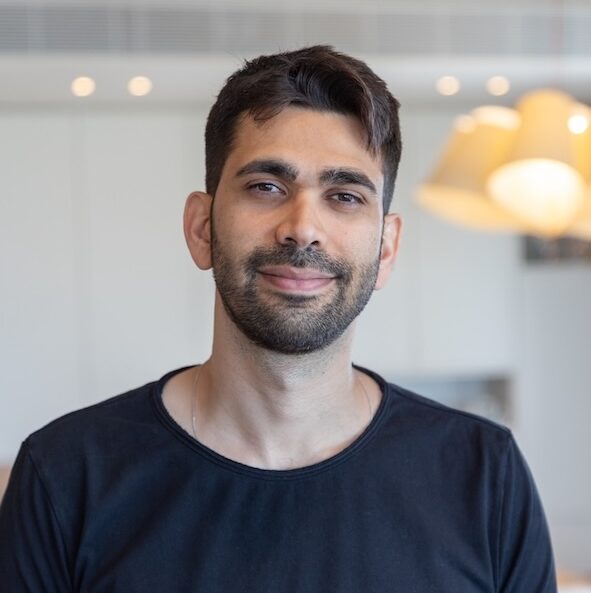
Matan Sarig
Senior Solutions Engineer, Snowflake
Matan Sarig is a Senior Solutions Engineer at Snowflake with over a decade of experience in architecting and implementing robust data solutions. He's passionate about bridging complex data challenges with intuitive, real-world applications, leveraging his expertise in SQL, data analysis, and enterprise solution design to empower users.
Matan Sarig is a Senior Solutions Engineer at Snowflake with over a decade of experience in architecting and implementing robust data solutions. He's passionate about bridging complex data challenges with intuitive, real-world applications, leveraging his expertise in SQL, data analysis, and enterprise solution design to empower users.
Matan Sarig
Senior Solutions Engineer, Snowflake
Matan Sarig is a Senior Solutions Engineer at Snowflake with over a decade of experience in architecting and implementing robust data solutions. He's passionate about bridging complex data challenges with intuitive, real-world applications, leveraging his expertise in SQL, data analysis, and enterprise solution design to empower users.
Matan Sarig is a Senior Solutions Engineer at Snowflake with over a decade of experience in architecting and implementing robust data solutions. He's passionate about bridging complex data challenges with intuitive, real-world applications, leveraging his expertise in SQL, data analysis, and enterprise solution design to empower users.
When AI Agents Meet Big Data: Three Lessons from Production
What breaks first when an AI agent meets big data: response time, cost, or trust? Through three real customer use cases, this session presents three practical lessons from production systems built with SingleStore: capturing conversational traces to evaluate and continuously improve agent behavior; using curated SQL examples to control latency, accuracy, and cost; and combining filters, joins, and semantic search to analyze a mix of structured and unstructured data. We will examine the architectural decisions behind these systems and what teams learned while moving from prototype to production. While the implementations use SingleStore, the lessons apply across data platforms.
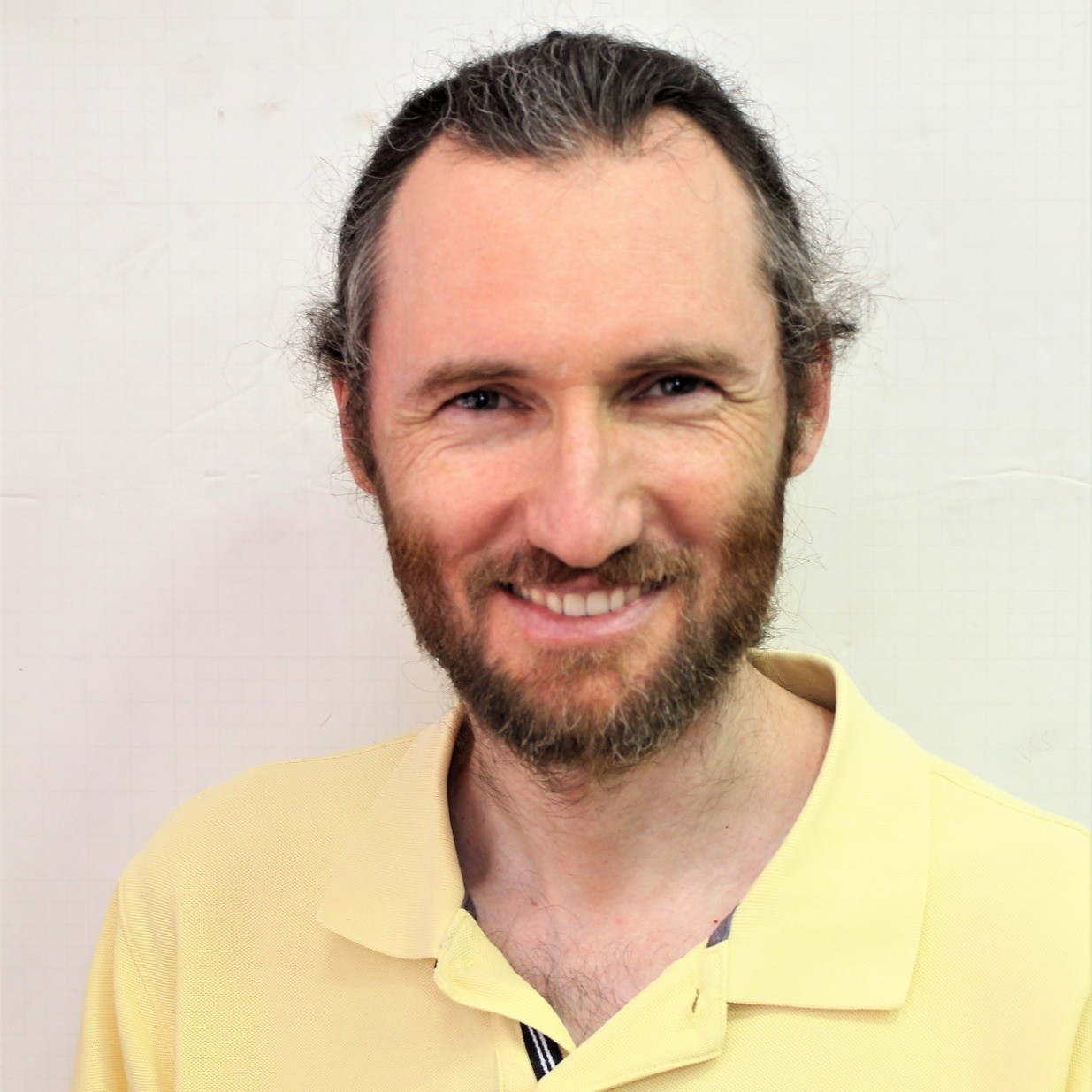
Ilya Gulman
CTO, Twingo
Ilya Gulman is a data architecture expert with more than 20 years of experience in big data. Over the years, he has worked alongside several dozen companies—from startups and unicorns to large enterprises—to solve complex architecture and data challenges. Curious by nature and enthusiastic about new technologies, Ilya now focuses on bringing AI and agentic systems together with large-scale data platforms.
Ilya Gulman is a data architecture expert with more than 20 years of experience in big data. Over the years, he has worked alongside several dozen companies—from startups and unicorns to large enterprises—to solve complex architecture and data challenges. Curious by nature and enthusiastic about new technologies, Ilya now focuses on bringing AI and agentic systems together with large-scale data platforms.
Ilya Gulman
CTO, Twingo
Ilya Gulman is a data architecture expert with more than 20 years of experience in big data. Over the years, he has worked alongside several dozen companies—from startups and unicorns to large enterprises—to solve complex architecture and data challenges. Curious by nature and enthusiastic about new technologies, Ilya now focuses on bringing AI and agentic systems together with large-scale data platforms.
Ilya Gulman is a data architecture expert with more than 20 years of experience in big data. Over the years, he has worked alongside several dozen companies—from startups and unicorns to large enterprises—to solve complex architecture and data challenges. Curious by nature and enthusiastic about new technologies, Ilya now focuses on bringing AI and agentic systems together with large-scale data platforms.
A Self-Driving Data Stack Needs a Map: Building the Context Graph for Autonomous Analytics & Data Engineering
This talk is about building that map: a living context graph assembled from warehouse metadata, the dbt repository, and orchestrator run history, where profiled columns, compiled SQL, and column-level lineage become one queryable structure. I’ll show what goes into it, how it stays current without re-reading the warehouse on every run, and how retrieval over it actually surfaces the right columns.
Once the map exists, the rest follows. Grounded text-to-SQL that answers analytical questions against real schema instead of hallucinated tables. Pipeline authoring (dbt models and DAGs) that knows what already exists. Root cause analysis that reasons over lineage and run history instead of guessing. Along the way, the hard parts: hybrid retrieval and where it fails, keeping the agent grounded as schemas drift, and enforcing budgets so autonomy doesn’t become runaway spend.You’ll leave with a concrete blueprint for the context layer an autonomous data agent needs, and a clear view of where the line sits between what it can own and what still needs a human to approve.
Gilad Grushka
Senior Software Engineer, Upriver
I'm a senior software engineer at Upriver Data where I design the AI Context Pipeline behind Upriver's Automatic Data Engineer solution. I have experience in creating complex data pipelines, constructing strategies for building and monitoring various data products and creating algorithms for data engineering root cause analysis. Prior to Upriver I spent 5 years at Monte Carlo Data I was a co-founder of a startup (Glean Labs) which created an automatic skill mapping solution for enterprises.
I'm a senior software engineer at Upriver Data where I design the AI Context Pipeline behind Upriver's Automatic Data Engineer solution. I have experience in creating complex data pipelines, constructing strategies for building and monitoring various data products and creating algorithms for data engineering root cause analysis. Prior to Upriver I spent 5 years at Monte Carlo Data I was a co-founder of a startup (Glean Labs) which created an automatic skill mapping solution for enterprises.
Gilad Grushka
Senior Software Engineer, Upriver
I'm a senior software engineer at Upriver Data where I design the AI Context Pipeline behind Upriver's Automatic Data Engineer solution. I have experience in creating complex data pipelines, constructing strategies for building and monitoring various data products and creating algorithms for data engineering root cause analysis. Prior to Upriver I spent 5 years at Monte Carlo Data I was a co-founder of a startup (Glean Labs) which created an automatic skill mapping solution for enterprises.
I'm a senior software engineer at Upriver Data where I design the AI Context Pipeline behind Upriver's Automatic Data Engineer solution. I have experience in creating complex data pipelines, constructing strategies for building and monitoring various data products and creating algorithms for data engineering root cause analysis. Prior to Upriver I spent 5 years at Monte Carlo Data I was a co-founder of a startup (Glean Labs) which created an automatic skill mapping solution for enterprises.
Feed Your LLM Live Enterprise Data - With Zero-Code AI Context
Generative AI is only as smart as the live enterprise context behind it, but today, most organizations rely on custom code to bridge the gap between enterprise data and LLM-ready context.
In this session, you’ll discover how Knowledge Mart replaces that complexity with a native ETL-to-Vector bridge built directly into the data pipeline. It seamlessly connects legacy databases, data warehouses, and file systems to AI vector engines, automating chunking, embedding generation, target loading, and real-time CDC vector synchronization.
The result is an AI-ready knowledge layer that keeps your LLM as current as your enterprise data – with no glue code, no manual integration, and no synchronization headaches.
Ori Kelsi
VP Data, Qlik
I lead S.P. Data (Qlik Israel) data integration strategy and my focus is on helping enterprises turn complex, legacy data environments into infrastructure that supports modern AI initiatives. Over the past year, that's led me to the question of how enterprise data pipelines can feed live, structured context to LLMs — connecting databases, warehouses, and file systems to vector engines through automated chunking, embedding, and real-time synchronization.
I lead S.P. Data (Qlik Israel) data integration strategy and my focus is on helping enterprises turn complex, legacy data environments into infrastructure that supports modern AI initiatives. Over the past year, that's led me to the question of how enterprise data pipelines can feed live, structured context to LLMs — connecting databases, warehouses, and file systems to vector engines through automated chunking, embedding, and real-time synchronization.
Eyal Shoham
Talend Expert, Qlik
At S.P. Data, I lead cloud data initiatives and work as a solution architect, helping customers move from traditional on-prem environments to modern cloud platforms. A big part of that is making sure the data is not only migrated, but organized and prepared in a way that can support AI use cases later on. I’m also focused on automation around data integration and data warehouses, so less of the work depends on manual development and maintenance. That includes building repeatable pipelines, automating data movement and transformations, and making the warehouse easier to operate as the environment grows. For me, the AI part starts with getting the cloud and data foundation right first.
At S.P. Data, I lead cloud data initiatives and work as a solution architect, helping customers move from traditional on-prem environments to modern cloud platforms. A big part of that is making sure the data is not only migrated, but organized and prepared in a way that can support AI use cases later on. I’m also focused on automation around data integration and data warehouses, so less of the work depends on manual development and maintenance. That includes building repeatable pipelines, automating data movement and transformations, and making the warehouse easier to operate as the environment grows. For me, the AI part starts with getting the cloud and data foundation right first.
Ori Kelsi
VP Data, Qlik
I lead S.P. Data (Qlik Israel) data integration strategy and my focus is on helping enterprises turn complex, legacy data environments into infrastructure that supports modern AI initiatives. Over the past year, that's led me to the question of how enterprise data pipelines can feed live, structured context to LLMs — connecting databases, warehouses, and file systems to vector engines through automated chunking, embedding, and real-time synchronization.
I lead S.P. Data (Qlik Israel) data integration strategy and my focus is on helping enterprises turn complex, legacy data environments into infrastructure that supports modern AI initiatives. Over the past year, that's led me to the question of how enterprise data pipelines can feed live, structured context to LLMs — connecting databases, warehouses, and file systems to vector engines through automated chunking, embedding, and real-time synchronization.
Eyal Shoham
Talend Expert, Qlik
At S.P. Data, I lead cloud data initiatives and work as a solution architect, helping customers move from traditional on-prem environments to modern cloud platforms. A big part of that is making sure the data is not only migrated, but organized and prepared in a way that can support AI use cases later on. I’m also focused on automation around data integration and data warehouses, so less of the work depends on manual development and maintenance. That includes building repeatable pipelines, automating data movement and transformations, and making the warehouse easier to operate as the environment grows. For me, the AI part starts with getting the cloud and data foundation right first.
At S.P. Data, I lead cloud data initiatives and work as a solution architect, helping customers move from traditional on-prem environments to modern cloud platforms. A big part of that is making sure the data is not only migrated, but organized and prepared in a way that can support AI use cases later on. I’m also focused on automation around data integration and data warehouses, so less of the work depends on manual development and maintenance. That includes building repeatable pipelines, automating data movement and transformations, and making the warehouse easier to operate as the environment grows. For me, the AI part starts with getting the cloud and data foundation right first.
Building an Agentic Data Lake at Scale: The Enrichment Layer Behind Every System
Executing AI agents are only as good as the context behind them. At Twine, we built an enrichment system that turns a raw data lake into agent-ready context for end-to-end identity and security execution. This talk covers design decisions: which steps require an LLM and which remain deterministic, how one agent reads your knowledge base to draft rules while another agent resolves edge cases, and how feedback compounds so that every new platform added enriches what came before. We will cover system design considerations including cost, latency, and smart data enrichment funnels, and examples such as account ownership and orphaned account investigations that surface security insights, risk scoring for entities at scale, and access mapping based on the organization’s defined processes.
Chen Fradkin
Data Team Lead, Twine Security
Chen Fradkin is Data Team Lead at Twine Security, where she joined as a founding engineer and built the data platform behind Twine's AI Digital Employees. Before Twine, she spent five years at Claroty as Data Lead and Security Researcher, and started her career as a software engineer and architect in the IDF. Her work spans algorithms R&D, data and analytics engineering, AI engineering, and security research. She holds a B.Sc. in Computer Science from the Open University of Israel.
Chen Fradkin is Data Team Lead at Twine Security, where she joined as a founding engineer and built the data platform behind Twine's AI Digital Employees. Before Twine, she spent five years at Claroty as Data Lead and Security Researcher, and started her career as a software engineer and architect in the IDF. Her work spans algorithms R&D, data and analytics engineering, AI engineering, and security research. She holds a B.Sc. in Computer Science from the Open University of Israel.
Chen Fradkin
Data Team Lead, Twine Security
Chen Fradkin is Data Team Lead at Twine Security, where she joined as a founding engineer and built the data platform behind Twine's AI Digital Employees. Before Twine, she spent five years at Claroty as Data Lead and Security Researcher, and started her career as a software engineer and architect in the IDF. Her work spans algorithms R&D, data and analytics engineering, AI engineering, and security research. She holds a B.Sc. in Computer Science from the Open University of Israel.
Chen Fradkin is Data Team Lead at Twine Security, where she joined as a founding engineer and built the data platform behind Twine's AI Digital Employees. Before Twine, she spent five years at Claroty as Data Lead and Security Researcher, and started her career as a software engineer and architect in the IDF. Her work spans algorithms R&D, data and analytics engineering, AI engineering, and security research. She holds a B.Sc. in Computer Science from the Open University of Israel.
From Proof of Concept to Proof at Scale: Building AI Infra on AWS
Building high-impact enterprise AI requires matching every AI solution to the right underlying infrastructure from day one. When serving thousands of enterprise customers, an early infrastructure or algorithmic flaw can quickly balloon into major performance, reliability, and cost issues that are painful to fix down the line.
In this session, we will share our journey of building from scratch one of our core AI products, leveraging a recommendation engine for enterprise security, and scaling it for over 1,000 enterprise customers across 13 AWS regions. We will take you from the initial research and proof of concept to a fully scalable, enterprise-grade production stack.
Along the way, we will highlight the crucial interface between the Data Scientist, Data Engineer, and MLOps roles, demonstrating how true cross-disciplinary collaboration shaped the architecture, development, deployment, and ongoing operation of the system.
Or Shoham
Data Scientist, Product AI Lead, Palo Alto Networks
Senior Staff Data Scientist at Palo Alto Networks, focusing on machine learning–driven cybersecurity solutions. He designs and builds production-grade systems combining classical machine learning and LLMs, from research to large-scale deployment in real-world security environments. His work focuses on data-driven approaches for threat detection, anomaly detection, and automation of security workflows. He holds an MSc in Data Science & Machine Learning from Reichman University, specializing in NLP.
Senior Staff Data Scientist at Palo Alto Networks, focusing on machine learning–driven cybersecurity solutions. He designs and builds production-grade systems combining classical machine learning and LLMs, from research to large-scale deployment in real-world security environments. His work focuses on data-driven approaches for threat detection, anomaly detection, and automation of security workflows. He holds an MSc in Data Science & Machine Learning from Reichman University, specializing in NLP.
Eli Shemesh
MLOps Architect, Palo Alto Networks
I am a Sr. Principal MLOps Architect at Palo Alto Networks, with over 20 years of experience across technology, cybersecurity, cloud, and DevOps. For more than 10 years, I have focused on designing scalable, reliable, and secure cloud platforms, DevOps and MLOps solutions, and automated pipelines, with a strong focus on AWS, Python, and modern software engineering practices.
I am a Sr. Principal MLOps Architect at Palo Alto Networks, with over 20 years of experience across technology, cybersecurity, cloud, and DevOps. For more than 10 years, I have focused on designing scalable, reliable, and secure cloud platforms, DevOps and MLOps solutions, and automated pipelines, with a strong focus on AWS, Python, and modern software engineering practices.
David Ohayon
Sr. Solutions Architect, AWS
I'm a Senior Solutions Architect at Amazon Web Services (AWS), helping customers design cloud-native architectures across data, analytics, and AI/ML. Before AWS, I led engineering groups at Microsoft as a Principal Engineering Group Manager on the Defender XDR platform, and served as VP R&D at a cybersecurity startup. With 20+ years of experience spanning cybersecurity, cloud, and engineering leadership - starting from the IDF - I am most passionate regarding working with people, and about technology, good combination of both is optimal, I bring a hands-on perspective on leveraging data and cloud to drive real business impact.
I'm a Senior Solutions Architect at Amazon Web Services (AWS), helping customers design cloud-native architectures across data, analytics, and AI/ML. Before AWS, I led engineering groups at Microsoft as a Principal Engineering Group Manager on the Defender XDR platform, and served as VP R&D at a cybersecurity startup. With 20+ years of experience spanning cybersecurity, cloud, and engineering leadership - starting from the IDF - I am most passionate regarding working with people, and about technology, good combination of both is optimal, I bring a hands-on perspective on leveraging data and cloud to drive real business impact.
Or Shoham
Data Scientist, Product AI Lead, Palo Alto Networks
Senior Staff Data Scientist at Palo Alto Networks, focusing on machine learning–driven cybersecurity solutions. He designs and builds production-grade systems combining classical machine learning and LLMs, from research to large-scale deployment in real-world security environments. His work focuses on data-driven approaches for threat detection, anomaly detection, and automation of security workflows. He holds an MSc in Data Science & Machine Learning from Reichman University, specializing in NLP.
Senior Staff Data Scientist at Palo Alto Networks, focusing on machine learning–driven cybersecurity solutions. He designs and builds production-grade systems combining classical machine learning and LLMs, from research to large-scale deployment in real-world security environments. His work focuses on data-driven approaches for threat detection, anomaly detection, and automation of security workflows. He holds an MSc in Data Science & Machine Learning from Reichman University, specializing in NLP.
Eli Shemesh
MLOps Architect, Palo Alto Networks
I am a Sr. Principal MLOps Architect at Palo Alto Networks, with over 20 years of experience across technology, cybersecurity, cloud, and DevOps. For more than 10 years, I have focused on designing scalable, reliable, and secure cloud platforms, DevOps and MLOps solutions, and automated pipelines, with a strong focus on AWS, Python, and modern software engineering practices.
I am a Sr. Principal MLOps Architect at Palo Alto Networks, with over 20 years of experience across technology, cybersecurity, cloud, and DevOps. For more than 10 years, I have focused on designing scalable, reliable, and secure cloud platforms, DevOps and MLOps solutions, and automated pipelines, with a strong focus on AWS, Python, and modern software engineering practices.
David Ohayon
Sr. Solutions Architect, AWS
I'm a Senior Solutions Architect at Amazon Web Services (AWS), helping customers design cloud-native architectures across data, analytics, and AI/ML. Before AWS, I led engineering groups at Microsoft as a Principal Engineering Group Manager on the Defender XDR platform, and served as VP R&D at a cybersecurity startup. With 20+ years of experience spanning cybersecurity, cloud, and engineering leadership - starting from the IDF - I am most passionate regarding working with people, and about technology, good combination of both is optimal, I bring a hands-on perspective on leveraging data and cloud to drive real business impact.
I'm a Senior Solutions Architect at Amazon Web Services (AWS), helping customers design cloud-native architectures across data, analytics, and AI/ML. Before AWS, I led engineering groups at Microsoft as a Principal Engineering Group Manager on the Defender XDR platform, and served as VP R&D at a cybersecurity startup. With 20+ years of experience spanning cybersecurity, cloud, and engineering leadership - starting from the IDF - I am most passionate regarding working with people, and about technology, good combination of both is optimal, I bring a hands-on perspective on leveraging data and cloud to drive real business impact.
TBD
Match Day: Real-Time OLAP, Live on Your Lakehouse - No Copies
Interactive apps, live dashboards, and AI agents need real-time analytics – millisecond answers at high concurrency. The usual fix is to copy data out of the lakehouse into a separate real-time OLAP store, with its own governance, cost, and staleness.
Lakehouse//RT removes the copy. It’s a query engine that serves the same governed Delta and Iceberg tables at millisecond latency, right where your data already lives – no second store to build, secure, or keep in sync.
In this demo, everything runs live on 100M+ rows of real football match-event data. One screen is a live match dashboard; the other is a console showing every query and its exact latency. We fire the same queries two ways – the old copy-first approach and Lakehouse//RT – in a single-query race, then a concurrency storm of many users at once. You watch seconds collapse to milliseconds, on screen, in real time.
Ben Hazan
Senior Solutions Engineer, Databricks
Ben Hazan is a Senior Solutions Engineer at Databricks in Israel. He helps organizations modernize their data platforms and adopt the Lakehouse, with expertise in Spark, Delta Lake, Unity Catalog, MLflow, and AI/BI. Ben builds hands-on prototypes across the Databricks stack, including agentic copilots, MLOps solutions, and data-governance tools, and leads customer workshops on data engineering, GenAI, and cost optimization.
Ben Hazan is a Senior Solutions Engineer at Databricks in Israel. He helps organizations modernize their data platforms and adopt the Lakehouse, with expertise in Spark, Delta Lake, Unity Catalog, MLflow, and AI/BI. Ben builds hands-on prototypes across the Databricks stack, including agentic copilots, MLOps solutions, and data-governance tools, and leads customer workshops on data engineering, GenAI, and cost optimization.
Ben Hazan
Senior Solutions Engineer, Databricks
Ben Hazan is a Senior Solutions Engineer at Databricks in Israel. He helps organizations modernize their data platforms and adopt the Lakehouse, with expertise in Spark, Delta Lake, Unity Catalog, MLflow, and AI/BI. Ben builds hands-on prototypes across the Databricks stack, including agentic copilots, MLOps solutions, and data-governance tools, and leads customer workshops on data engineering, GenAI, and cost optimization.
Ben Hazan is a Senior Solutions Engineer at Databricks in Israel. He helps organizations modernize their data platforms and adopt the Lakehouse, with expertise in Spark, Delta Lake, Unity Catalog, MLflow, and AI/BI. Ben builds hands-on prototypes across the Databricks stack, including agentic copilots, MLOps solutions, and data-governance tools, and leads customer workshops on data engineering, GenAI, and cost optimization.
Data as a Simulator: Planning Prices Without Ever Running an Experiment
You have a decision to make, a clear objective, and no way to run an experiment. Every price you set is the only price that customer sees, a bad decision costs real revenue rather than a dip in a dashboard, and the readout takes months.So you use the only environment you have: your own historical data.This talk walks through the pattern. Learn a response model from logged data, roll it forward across the full decision horizon to simulate the objective, then optimize over the decision path. It sits between supervised ML and reinforcement learning.Three things that break in production. The optimizer hunts down wherever your model is confidently wrong. Prediction accuracy doesn’t tell you whether the decision was good. And your decisions become your next training set.Illustrated through price optimization, applicable wherever decisions are sequential and experiments are expensive.
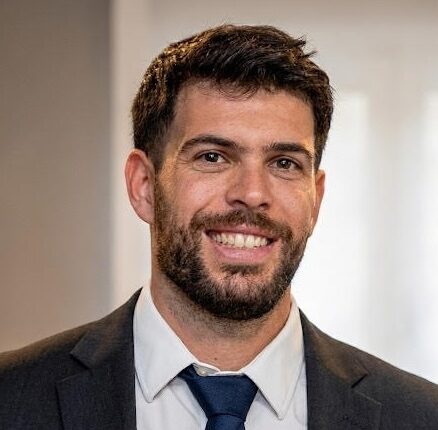
Tamir Shazman
Data Scientist, Fetcherr
Tamir Shazman is a Data Scientist at Fetcherr building Large Market Models using deep learning to simulate market behavior. With a Master's in Data and Decision Sciences from the Technion, he specializes in reinforcement learning and applying advanced mathematics to real-world business challenges.
Tamir Shazman is a Data Scientist at Fetcherr building Large Market Models using deep learning to simulate market behavior. With a Master's in Data and Decision Sciences from the Technion, he specializes in reinforcement learning and applying advanced mathematics to real-world business challenges.
Tamir Shazman
Data Scientist, Fetcherr
Tamir Shazman is a Data Scientist at Fetcherr building Large Market Models using deep learning to simulate market behavior. With a Master's in Data and Decision Sciences from the Technion, he specializes in reinforcement learning and applying advanced mathematics to real-world business challenges.
Tamir Shazman is a Data Scientist at Fetcherr building Large Market Models using deep learning to simulate market behavior. With a Master's in Data and Decision Sciences from the Technion, he specializes in reinforcement learning and applying advanced mathematics to real-world business challenges.
TBD

Powered by

© 2026 hayaData